

Billing Lake Trail: A Labor Day Weekend of Views, Paddle Boards, and an Unexpected Towing Adventure
Billing Lake Trail: A Labor Day Weekend of Views, Paddle Boards, and an Unexpected Towing Adventure
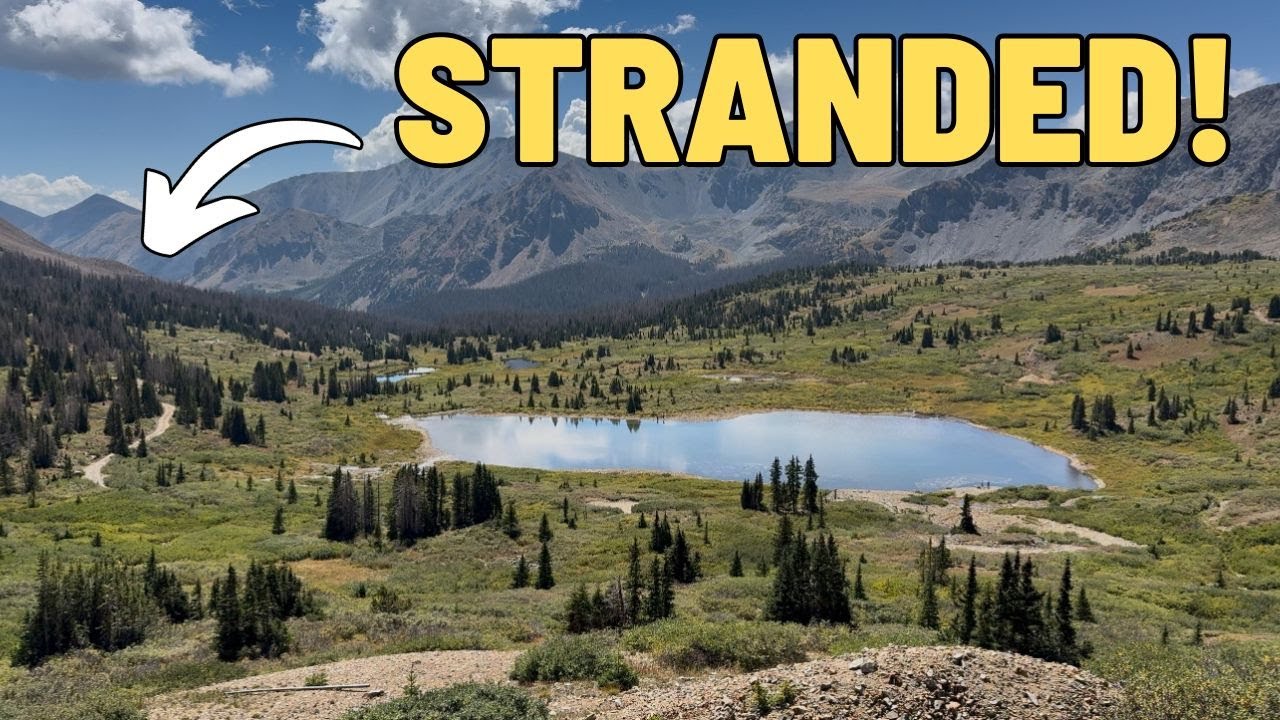
Billing Lake Trail pulled me up a steep, rocky ribbon of dirt and switchbacks for a Labor Day weekend with one clear goal: see the views, explore the North Fork Reservoir, and make it to Billings Lake. The Billing Lake Trail lived up to its promise of wide-open alpine vistas and quiet campsites, but it also taught me something important about overlanding, mechanical gremlins, and the value of recovery gear. If you are planning a trip to Billing Lake Trail, this account will walk you through the route, the campsites, the reservoir, the Pride of the West Tunnel, paddle boarding options, wildlife encounters, gear choices, and what to do if your vehicle decides it would rather watch the scenery than start.
Why I Picked Billing Lake Trail
I chose Billing Lake Trail because it sits in a scenic pocket west of Salida and south of Buena Vista. The area is famous for high alpine scenery and lakes tucked into steep-sided basins. Billing Lake Trail is part of a network of service roads and dispersed camping that give you a real backcountry feel without the need to hike miles with a heavy pack. I had an Opus OP4 camper hitched to the Jeep, and I was curious how the route would handle a camper, how secluded the sites would be, and whether the North Fork Reservoir and Billings Lake lived up to the pictures I'd seen online.
For practical reasons, Billing Lake Trail is appealing: the route is roughly 11 miles long and generally rated moderate. That means you do not need a lifted rig with lockers to get up there, but you do need patience, a vehicle that can clear loose rocks, and the willingness to deal with narrow sections and potential pinstriping. The Billing Lake Trail delivers amazing high-country panoramas if you make the trip up the fjord-like draws and above the tree line.
Trail Overview and Conditions
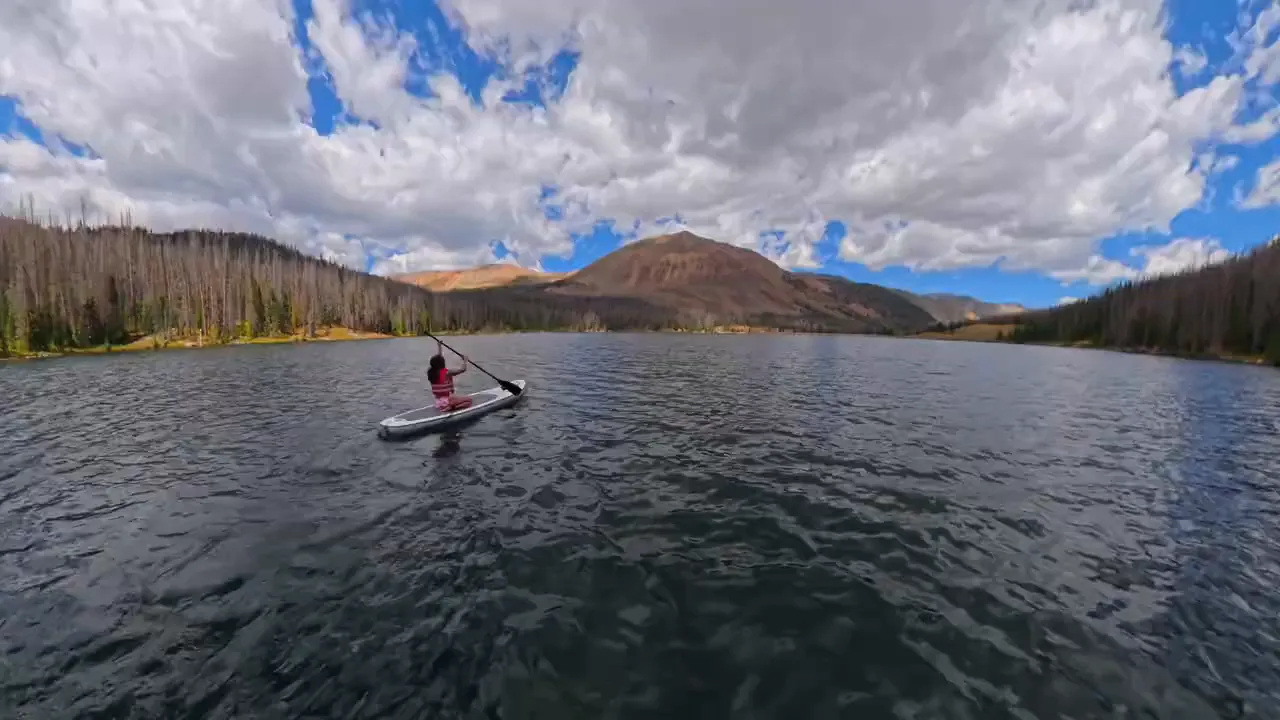
The Billing Lake Trail is a rocky forest road that climbs to a handful of dispersed campsites before dropping down toward Billings Lake. From the trailhead, you will encounter moderate, rough road conditions that can test both your vehicle's clearance and your nerve when the road narrows. Stock SUVs can make the route, but keep in mind the narrow sections and tight spots near cliff edges or large boulders. That narrowness can translate to cosmetic damage, so I cannot stress enough: drive slow and pick your lines.
Along the Billing Lake Trail you will find a mix of wide flat campsites and smaller, tree-lined hollows. Some campsites are roomy enough to hold four or five vehicles, while others are little more than a ledge suitable for a single tent. The fire restrictions in effect the weekend I went meant no campfires, even though it had been raining off and on. That is pretty common in the high country; check current restrictions before you go. Weather here changes quickly, and cloud cover and rain can make the trail slick—plan accordingly.
Setting Up Camp: Choosing the Right Spot on Billing Lake Trail
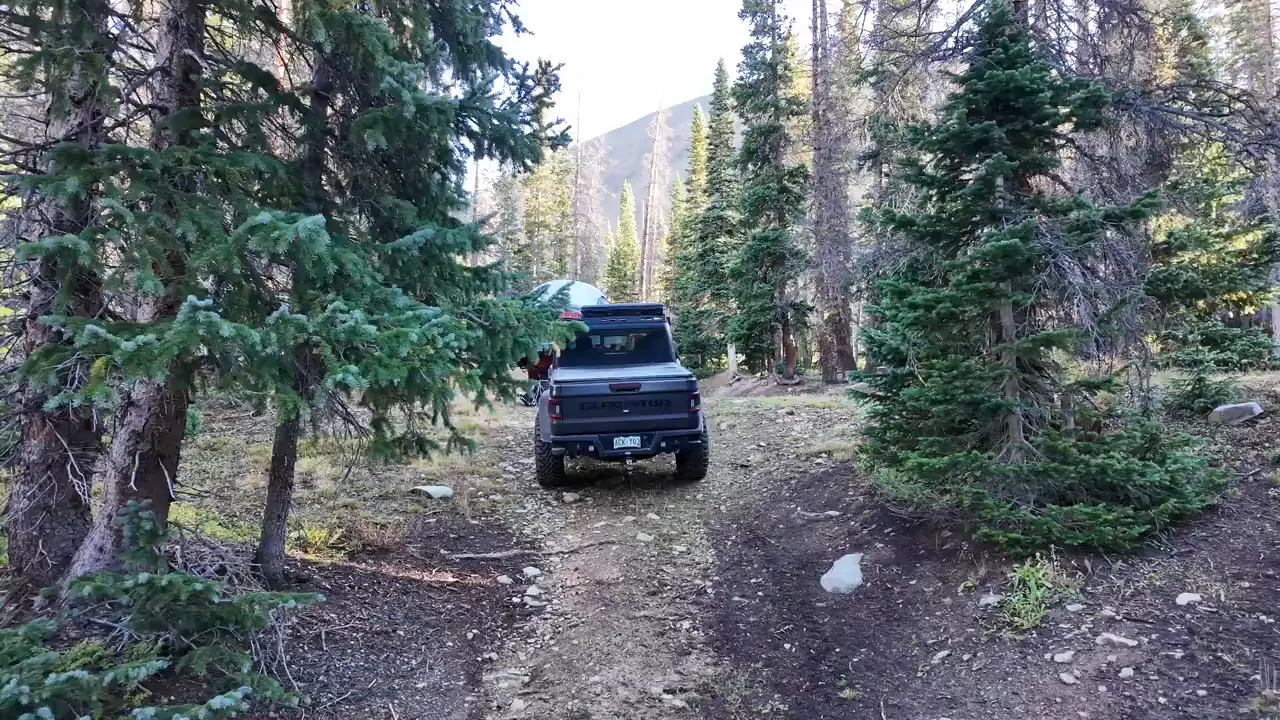
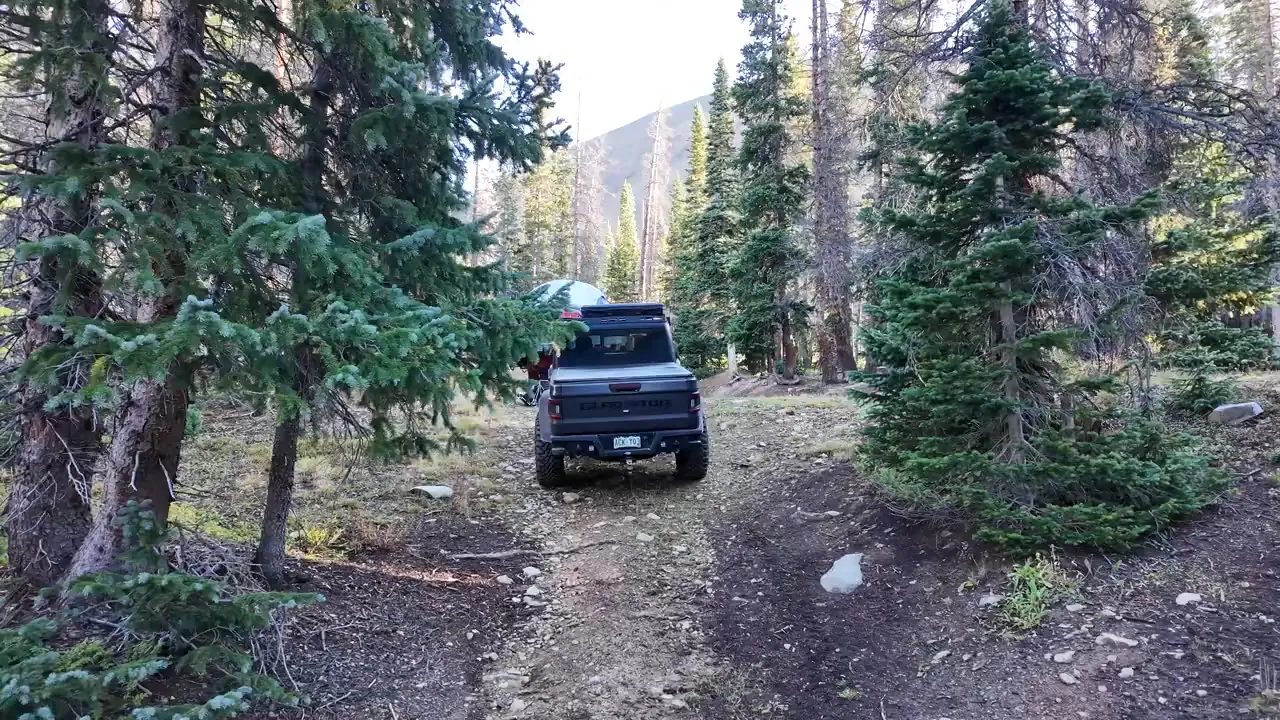
We opted for a campsite that would comfortably hold the Opus OP4 camper. Not all campsites along Billing Lake Trail are camper-friendly. Many of the dispersed spots are small, sloped, or choked with trees. The site we picked had a flat loop, a decent-sized parking area where we could drop the camper, and nearby tent spots for additional guests.
Pros and cons of the site:
- Pros: Flat area for the camper, roomy fire pits (if allowed), multiple vehicle capacity, close proximity to small ponds and the reservoir, lots of shade.
- Cons: Lots of shade on a cool morning made it feel colder than some more exposed sites. Some low, damp ground near the water that could become soggy if it rains. Fire restrictions in effect meant we could not use the nice fire rings.
Small flocks of bold birds made the campsite their territory. They prowled around trying to get into dog bowls and any dropped food. Expect wildlife to be opportunistic; secure your food and pack out everything you bring in.
Exploring North Fork Reservoir: Paddle Boards and Picnics
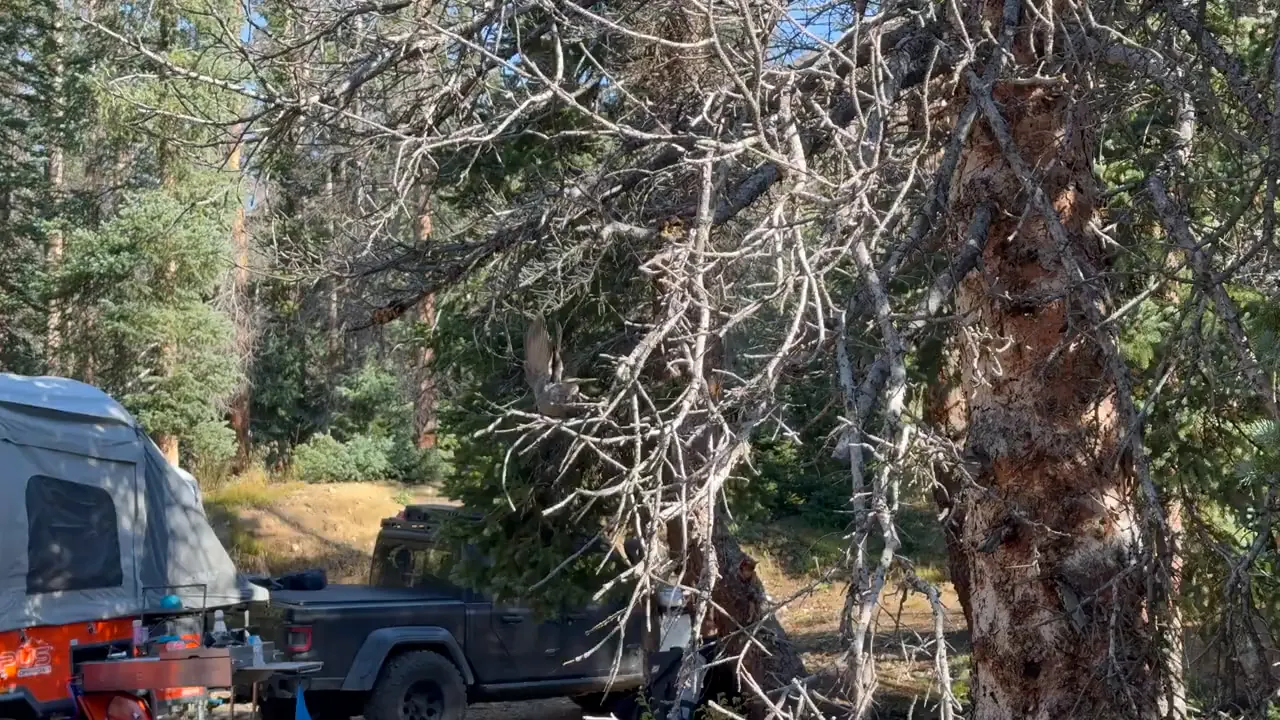
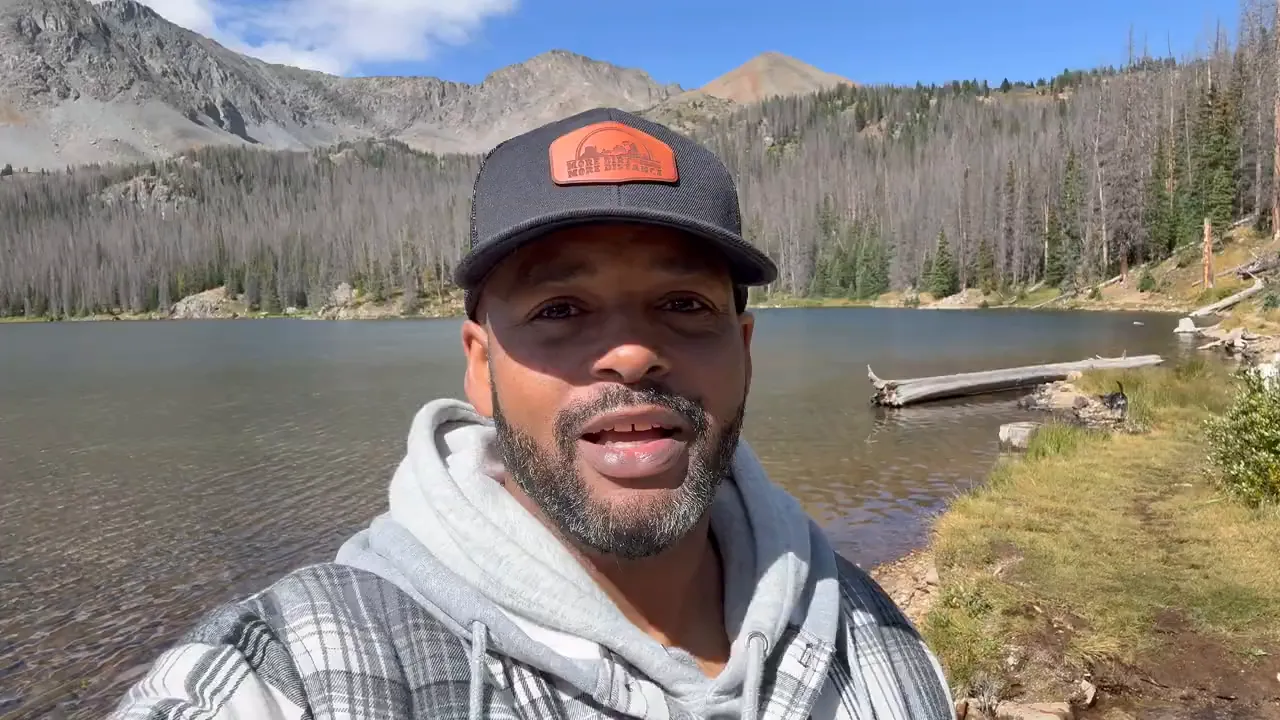
One of the highlights close to the Billing Lake Trail campsites is the North Fork Reservoir. That area is accessible from a short spur and offers picnic areas and a stunning sit-down-to-eat vantage point. Several campground pads have picnic tables and are right on the water. If you plan to paddle board, the reservoir is a great option, but I would caution that the water is cold year-round. Hypothermia is a real risk if you fall in; wear a wetsuit or drysuit in colder months and always consider a PFD.
The walk down to the reservoir from our campsite was pleasant and short. The access path seemed like it might be an older service or access road that has become overgrown in parts. You can certainly walk down easily enough, and there are a few lakeside campsites, but they tend to be damper than the higher sites. If recent rains have saturated the ground, low-lying lakeside spots can become muddy and damp, so look for sites on slightly higher ground for tents.
Paddle Boarding on the Reservoir
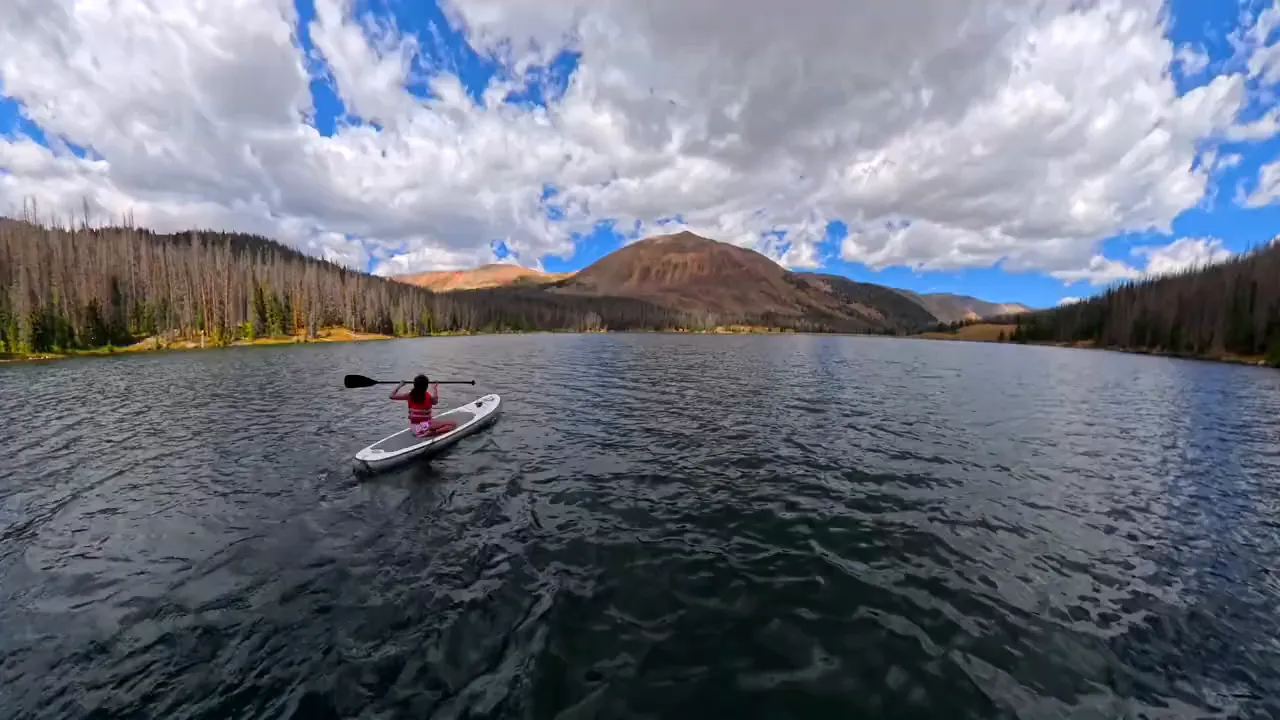
We took paddle boards out on a calm, cloudy morning. The wind was virtually nonexistent and the water was glassy in stretches, which made for perfect paddling. That said, the water temperature is staggeringly cold. I recommend the following for paddle boarding on or near the Billing Lake Trail reservoir:
- Wear a PFD at all times.
- Dress for immersion: don a wetsuit or at least quick-dry layers.
- Use a leash so your board does not drift away if you fall in.
- Go with a buddy and communicate your route and timing.
Wildlife Encounters: Moose, Birds, and More
Wildlife on Billing Lake Trail is abundant and curious. While walking with my dog Luna early one morning, I spotted a moose in a campsite across from ours. Of course, I did not have everything ready to film, so by the time I was moving, both Luna and I had spooked it. The moose moved toward the reservoir and disappeared into the trees. If you are visiting Billing Lake Trail, expect possible moose, deer, elk, and a variety of birds.
Here are a few tips for wildlife encounters:
- Keep dogs leashed in campsite areas. A curious dog can quickly get a moose or elk on the move.
- Never feed wildlife or leave food accessible. Animals that learn to get handouts can become dangerous or destructive.
- Enjoy sightings from a safe distance. Moose, in particular, can be unpredictable if they feel cornered.
Gear Spotlight: The Opus OP4 Camper and Campsite Suitability
Traveling with a camper changes campsite selection criteria. The Opus OP4 is compact and designed for off-grid spots, but not every dispersed site accommodates it. On Billing Lake Trail, our choice of a looped, flat campsite made a huge difference in comfort and safety. You need enough turning radius to unhitch and reconnect and a reasonably flat grade for stabilizers to work. If you bring a camper to Billing Lake Trail, plan in advance to choose a site that has room to maneuver, a good approach angle, and minimal low-hanging branches.
Footwear Review: Fitville Cross Creek Wide Hiking Shoes
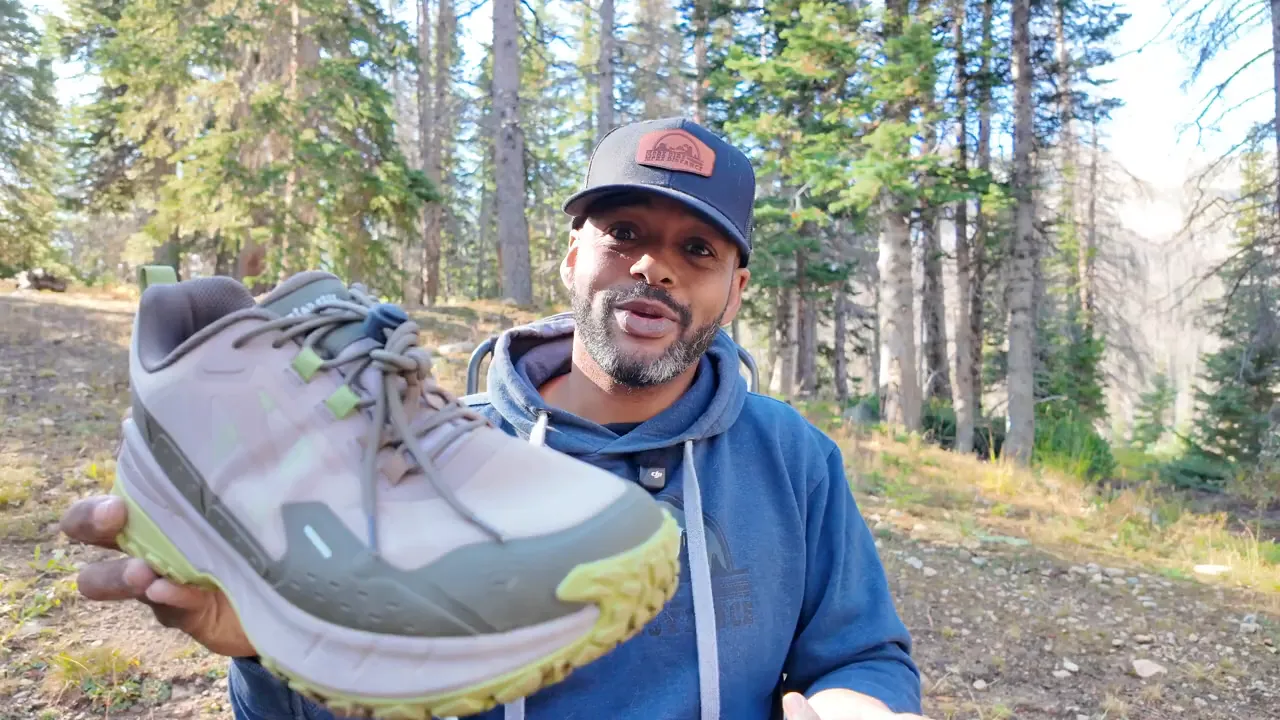
One recurring headache on long hikes is footwear fit. My right foot is wider than my left, and narrow shoes have given me repeated blunt-force pain on long days. I had the opportunity to test the Fitville Cross Creek shoes on this trip, and they proved comfortable across long mileage on Billing Lake Trail and up to the Pride of the West Tunnel.
Here are the highlights of the Cross Creek:
- Available in wide 2E and extra wide 4E options, which is great if you have asymmetrical feet like mine.
- Water resistant but breathable upper—keeps your feet dry enough while staying ventilated.
- Durable sole with serious traction for the loose rocky sections of Billing Lake Trail.
- Generous cushioning that helped on long downhill stretches and rocky approaches to the tunnel and lakes.
If you have ongoing foot pain because of narrow shoes, wide-fit boots like the Cross Creek can be a game changer. They allowed me to stay comfortable during longer exploratory hikes around Billing Lake Trail and the reservoir.
From the Reservoir to the Pride of the West Tunnel
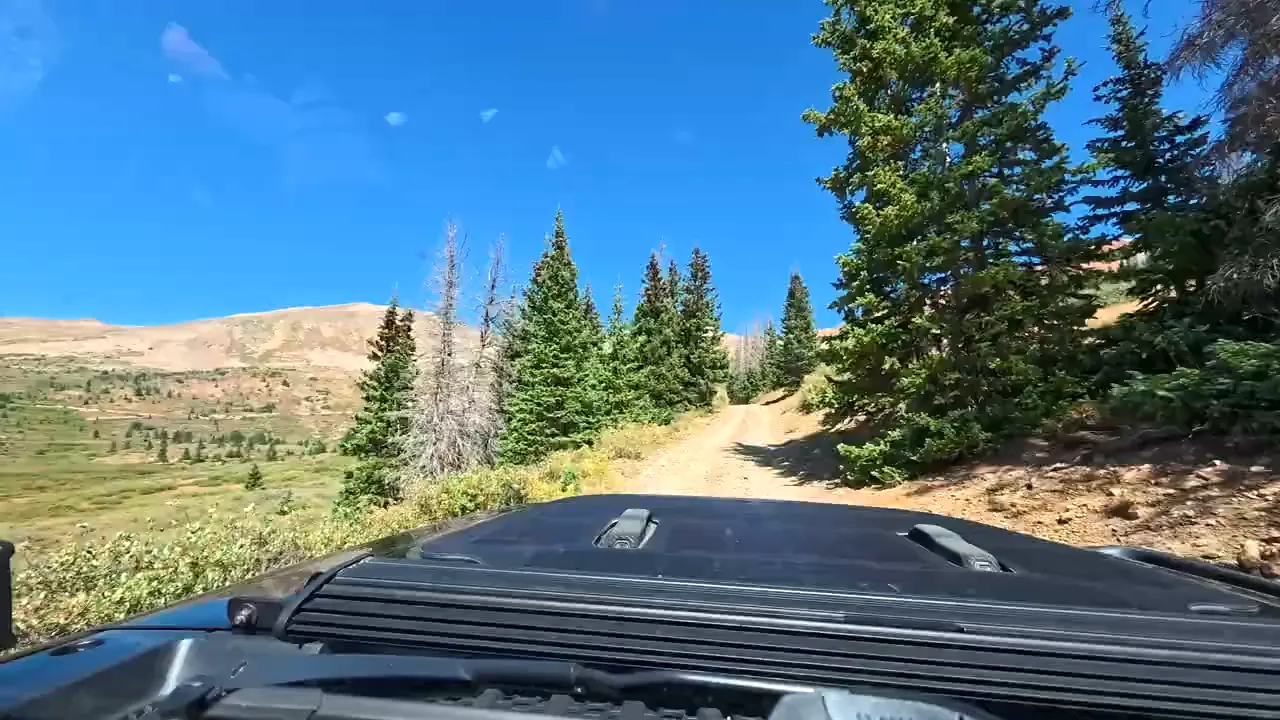
After the reservoir, the Billing Lake Trail tightens and climbs. The route gains elevation and opens into alpine meadows where the views broaden. At that point, the pinstriping risk increases because the road squeezes between trees and boulder fields. Be mindful when passing or being passed by other vehicles; give yourself space and take turns like a courteous mountain driver.
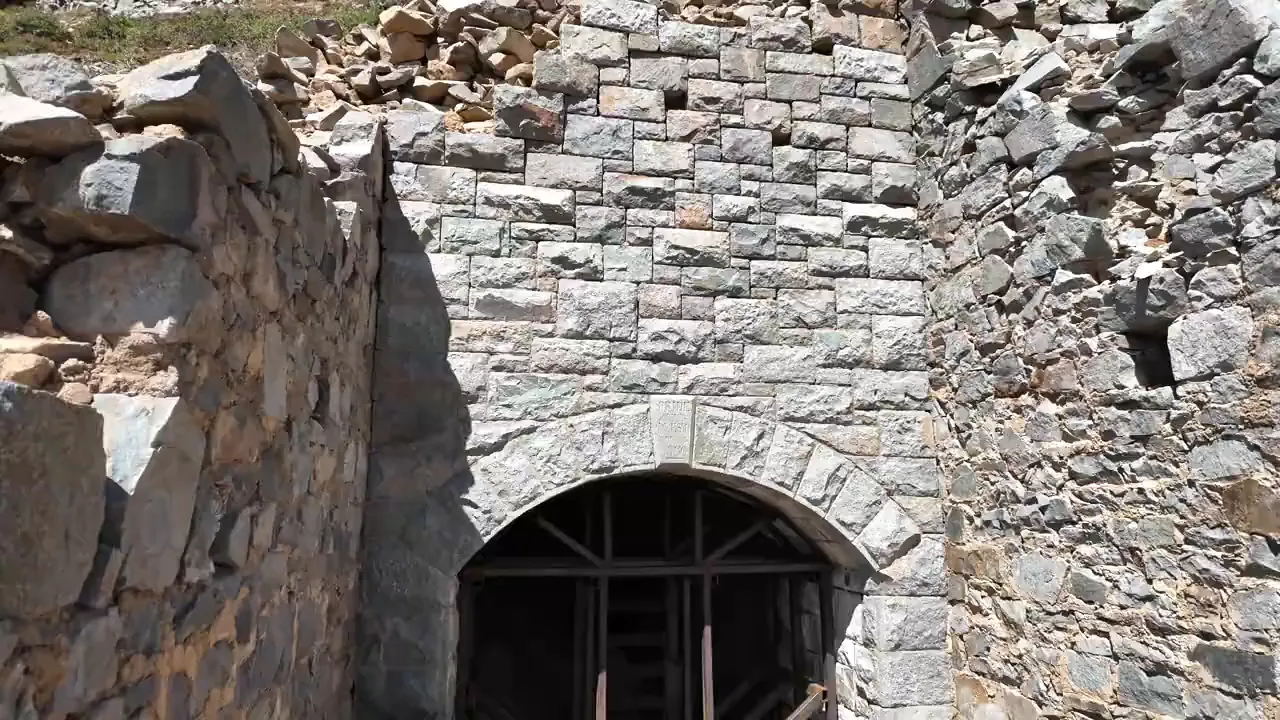
One of the most memorable spots on the route is the Pride of the West Tunnel, an 1880-era mining or water conveyance tunnel that sits almost as a relic of an earlier, industrious Colorado. The trail up to it is short but the final approach is best done on foot. From the tunnel vantage the gulch spreads below and Billings Lake sits like a jewel in the basin. The view back down the gulch is worth the detour if you are in the area.
Exploring the Pride of the West Tunnel
When you reach the area of the Pride of the West Tunnel, you might find restricted access into the tunnel itself. The portal is often blocked off for safety, but standing outside it gives a sense of the 19th century engineering that carved routes through these mountains. If you are curious about the history of the tunnel, make sure to do a little research in town or online after exploring the site. There is a layer of mining and water infrastructure history here that adds context to the scenic value.
Billings Lake: Small but Scenic
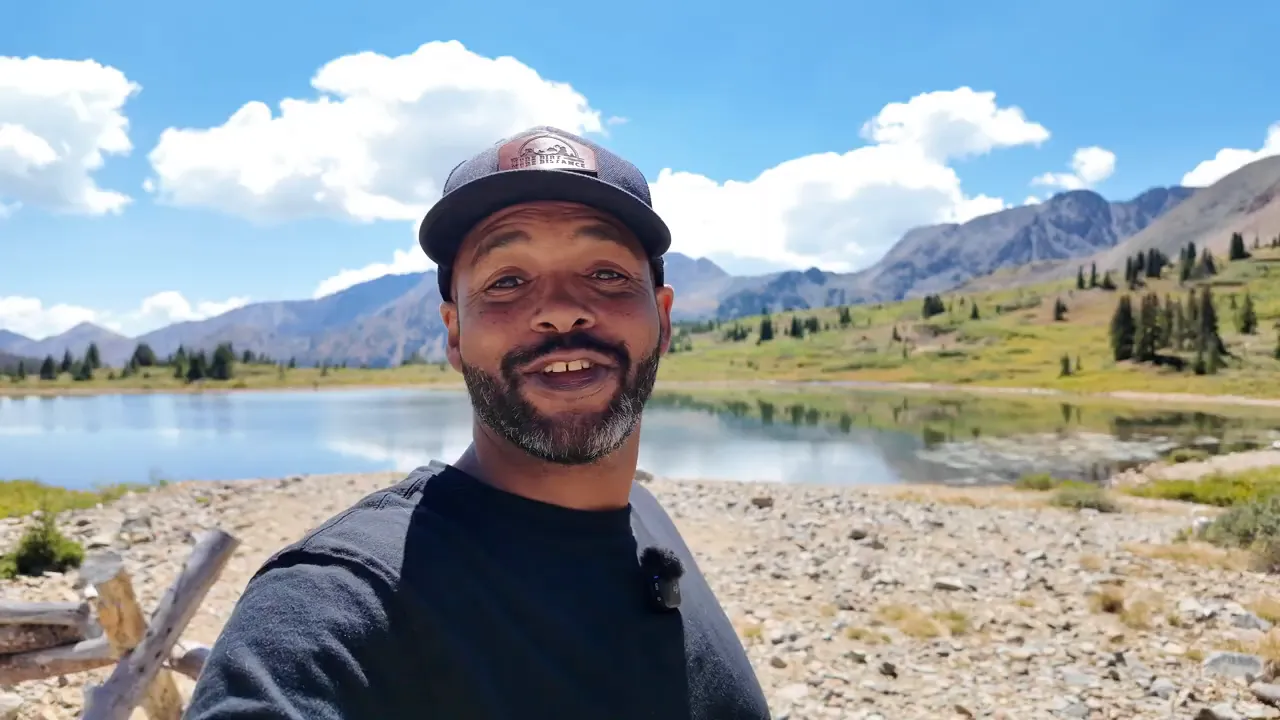
Billings Lake is smaller than the North Fork Reservoir and less suitable for broad recreational boating, but anglers love it for the quiet and the fishing. People come to Billings Lake for fishing more than watersports, and you will see anglers along the shore. The lake sits low in the basin and can be windy and exposed, so choose your site carefully if you camp right at the shoreline. If your goal is solitude, Billings Lake offers more low-key isolation than the reservoir.
The Best Campsite I Found on Billing Lake Trail
I ran across an elevated campsite that I promptly declared the best in the entire area. It had a broad flat area, excellent views of Billings Lake and surrounding peaks, multiple fire pits, a pull-through approach, and the kind of space that could hold a sizeable group. If you can get this spot on a weekend, consider yourself lucky. I will include GPS coordinates in notes below for people who want to try for it, but remember that dispersed camping often runs on a first-come, first-served basis, and sites fill fast during holiday weekends.
When Things Went Wrong: The Jeep Gladiator That Would Not Start
On the day we were packing up, things took a turn. I connected the camper and tried to start the Jeep Gladiator. The electronics came on: interior accessories, dashboard lights, even the usual locks and clicks. But when I pushed the start button, absolutely nothing happened. No crank, no turn-over—just dead silence. This happened even though the battery appeared healthy and I had previously driven the vehicle just fine for days.
For a vehicle that had been reliable, the Gladiator had been showing odd symptoms over the previous month: random shutoffs and strange messages. After an initial flurry of troubleshooting, I suspected an electrical gremlin. I checked wiring harnesses the best I could, checked fuse boxes, and disconnected accessories that had been tied into the auxiliary battery terminals. I also tried to jump the vehicle with a portable jump pack, but the result was the same—no crank, no start. In the backcountry of Billing Lake Trail, that feeling of being stranded is one I had always wondered about. Now I knew.
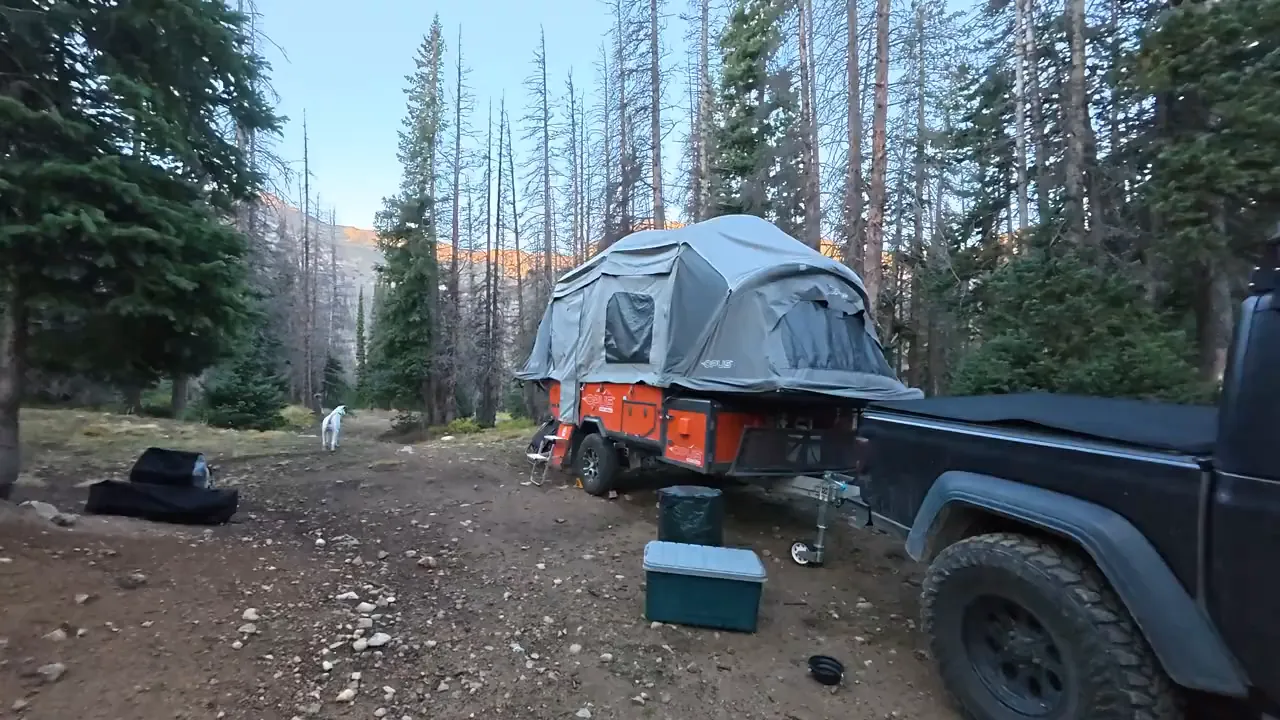
Troubleshooting the Dead Jeep on Billing Lake Trail
Here is what I tried in the field while on Billing Lake Trail:
- Checked visible wiring for damage or loose connectors. Everything appeared intact.
- Checked fuses in both the interior and under-hood fuse boxes and confirmed they were seated correctly.
- Disconnected accessories that might draw parasitic power while the vehicle sat.
- Used a portable jump box to attempt a start, which did not work.
- Left the battery disconnected overnight to see if the vehicle logic would reset.
When reconnecting the battery the next morning, the Jeep still would not start. No starter motor engagement, no fuel pump whirr—nothing. There was also no cell signal in our immediate area, but thankfully my phone could send satellite texts. I messaged family and coordinated a plan for someone with a truck to come up and help us move the camper off the trail so we could get to civilization and proper repair options.
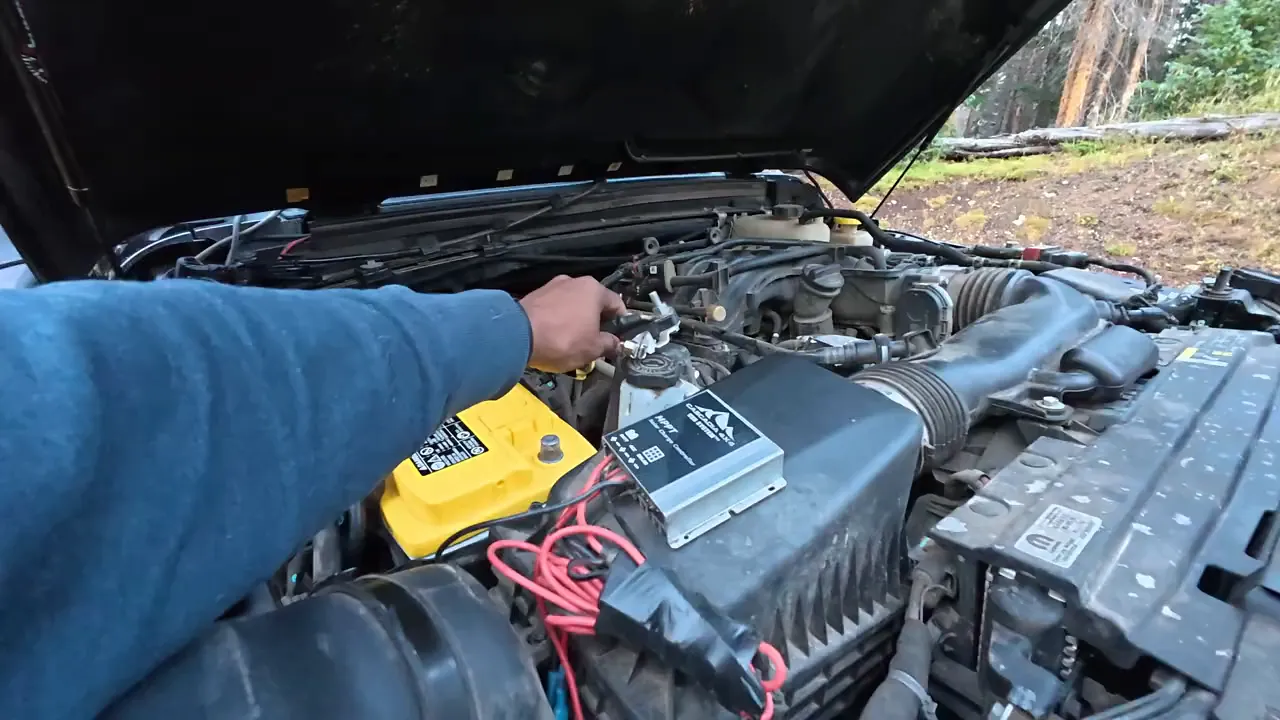
Options When You Are Stranded on Billing Lake Trail
When you are in a remote place like Billing Lake Trail the checklist for options looks like this:
- Satellite communication or a device that can send SOS or texts if there is no cell signal.
- Roadside assistance policies that include off-road recovery; check whether your coverage covers service road recoveries.
- Tow services in nearby towns that offer off-road recovery—availability varies, so do some research before you go.
- Local volunteer recovery groups. In Colorado, groups have existed that help recover vehicles on forest service roads; availability changes over the years.
- Friends or family who can bring a tow vehicle and recovery gear.
Because we rented the camper through an outdoors platform and the renter expected it back, I had logistics to manage beyond getting a tow. That added a time pressure to get the camper off the trail and back toward civilization.
The Rescue: Jump Attempts and Towing Down the Mountain
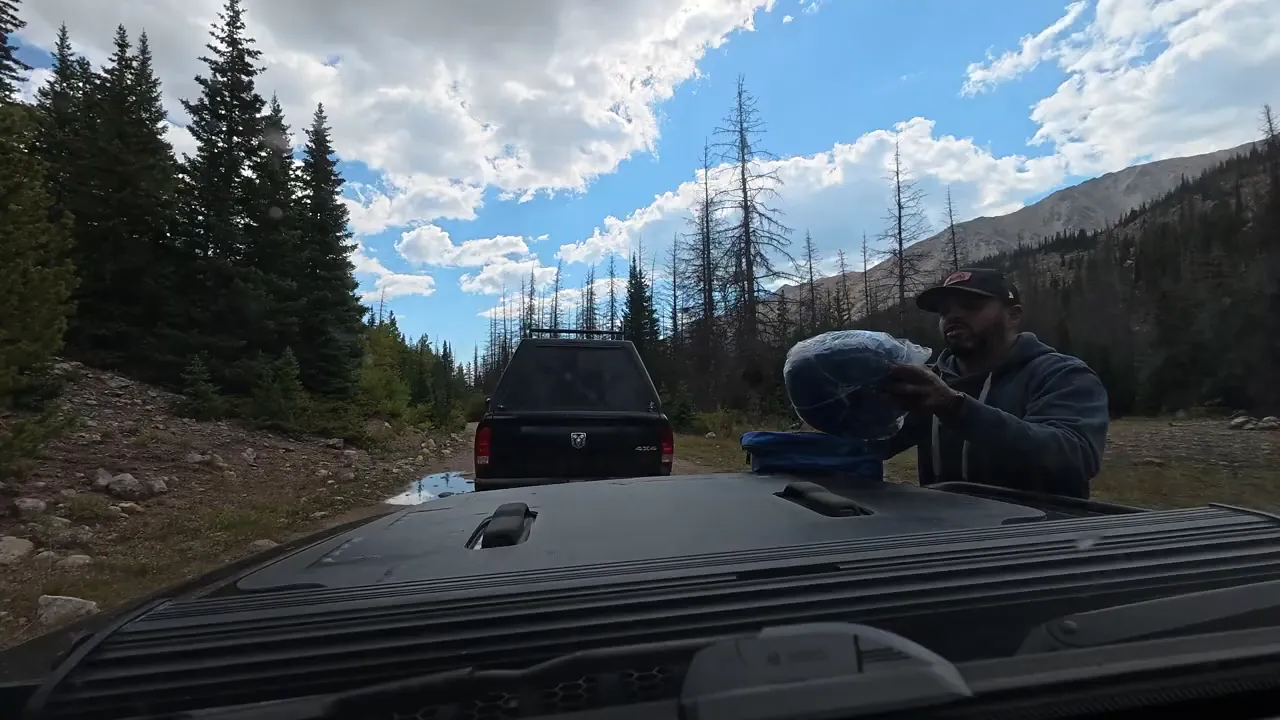
The cavalry eventually arrived with a truck and some willing hands. We tried jump-starting again, with cables and a jump pack, but the engine did not turn over. With no other option and a growing sense of urgency about getting the camper back, we decided to tow the Jeep downhill to a spot with better access and cell service.
Towing a modern vehicle that relies heavily on power steering and brake boosters is not trivial when the engine is off. The steering becomes heavy, and the brakes require more physical force. We prepared for a slow and cautious downhill tow. At first we used a standard tow rope, but the jerky transitions made controlling the trailer and towed load tougher. We then switched to a kinetic tow rope, and the pull became noticeably smoother. If you carry recovery gear, consider including a kinetic rope for stuck or heavy loads—its elastic properties give a softer, more controlled movement.
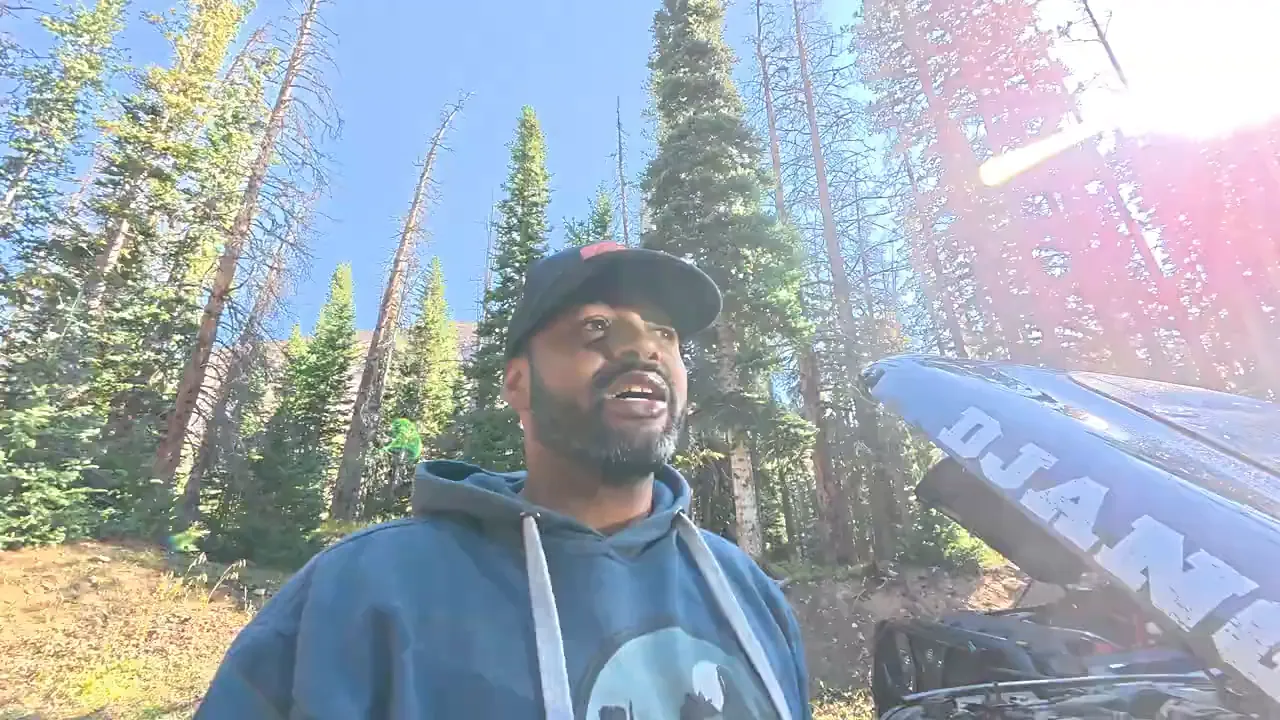
Why a Kinetic Rope Helped
Kinetic ropes absorb and store energy when stretched, which smooths out the jolt when the stuck vehicle comes loose or when a tow pick-up starts pulling. On the narrow, rocky roads of Billing Lake Trail, that elasticity reduced shock loads on the tow points and made it easier for the towing vehicle to get a bite on loose dirt before trying to accelerate. After switching from a static tow strap to a kinetic rope, we noticed a dramatic improvement in how the towed Jeep followed and how the tension felt in the harnesses.
The Strange Neutral Problem and the Hidden Fix
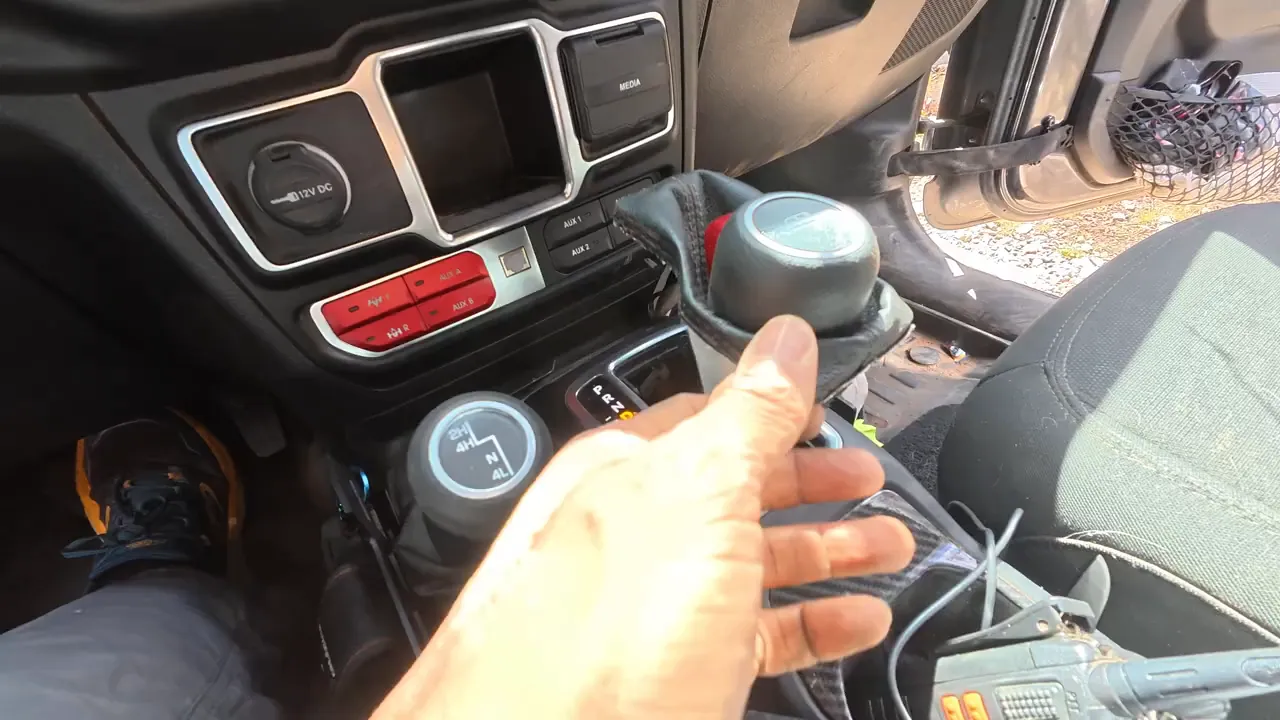
While towing the Gladiator down the trail we had another complication: the Jeep did not seem to want to stay in neutral. A modern shifter has interlocks and linkages that sometimes require a powered system to switch fully into neutral. We were holding the shifter string and trying to coax the vehicle into true neutral while slowly moving downhill.
After some trial and error I noticed a leather boot on the shifter had been removed by a previous owner, exposing a plastic collar and an electrical or mechanical switch underneath. I had been trying to pull the outer shifter boot off and could not remove an inner cover. Once I found a way to move the internal switch that allowed the shifter to click into neutral manually, the Jeep's drivetrain behaved better while being towed and we had a safer, less stressful descent from the campsite down to the more populated road.
Getting to Civilization: The Drive to the Gas Station
Once we got the camper reconnected and everything was hooked up to the other vehicle, I was able to drive the Gladiator down to a busy gas station near Buena Vista on Highway 285. It was a nerve-wracking drive because, although the Jeep started to move and steering and brakes worked, dashboard warning lights flickered and some systems were unstable. We were moving down narrow switchbacks and I was mindful that I might lose power steering or secondary systems at any moment.
Surprisingly, when I turned off the Jeep at the gas station and tried to start it again a short time later, the engine started like nothing had ever happened. The warning lights disappeared and the gauges returned to normal. I was able to drive the Gladiator all the way home, but I still do not trust it. The issue now sits on a list of things to bring to a reputable shop to diagnose properly. Electrical gremlins can be intermittent and hard to pin down, and that is precisely the kind of problem a modern vehicle needs professional diagnostic tools to uncover.
Lessons Learned on Billing Lake Trail
There are plenty of practical takeaways from a weekend on the Billing Lake Trail that mixed serenity with bad luck. Here is what I would recommend to anyone planning a similar trip:
- Carry reliable recovery gear: kinetic rope, shackles, standard tow straps, gloves, and a good hitch point on both vehicles. You never know when a vehicle will fail or someone else on the trail might need help.
- Have a satellite messaging option if you travel to areas with unreliable cell coverage. A phone that can send satellite texts can be a lifeline for coordination.
- Know your roadside assistance policy and call ahead to confirm whether their coverage applies to forest service roads or remote recoveries.
- Inspect the vehicle before a trip. Check battery health, electrical connections, and any recent odd behavior. Small intermittent issues have a tendency to become big problems in remote places.
- Bring wide-fitting footwear or alternatives if you have foot issues. Comfortable shoes like the Fitville Cross Creek in 2E or 4E kept me comfortable hiking long stretches of Billing Lake Trail.
- Plan for changing weather. Fire restrictions can be in place even if it has been wet, and daytime conditions can be sunny while mornings are cold and frosty. Pack layers.
- Keep food sealed and secured to avoid aggressive birds and wildlife. Bears are less common in that immediate basin, but smaller critters and birds will find anything edible.
Practical Tips for Camping and Exploring Billing Lake Trail
If you are plotting a trip to Billing Lake Trail, here are the practical steps to have a smoother trip:
- Check current fire restrictions for the District and the Forest Service alerts for the area.
- Confirm road conditions on local forest service web pages or with local ranger districts. Roads can close after storms or because of maintenance.
- If towing a camper, confirm you have a campsite with enough turning radius and a loop system for convenient hitching and un-hitching.
- Bring a map and a physical compass; cell service can be unreliable on the trail.
- Consider offloading valuables and important items into a smaller vehicle if you have concerns about mechanical reliability.
- Leave no trace: pack out what you pack in, bury human waste well away from water, and avoid creating new fire rings.
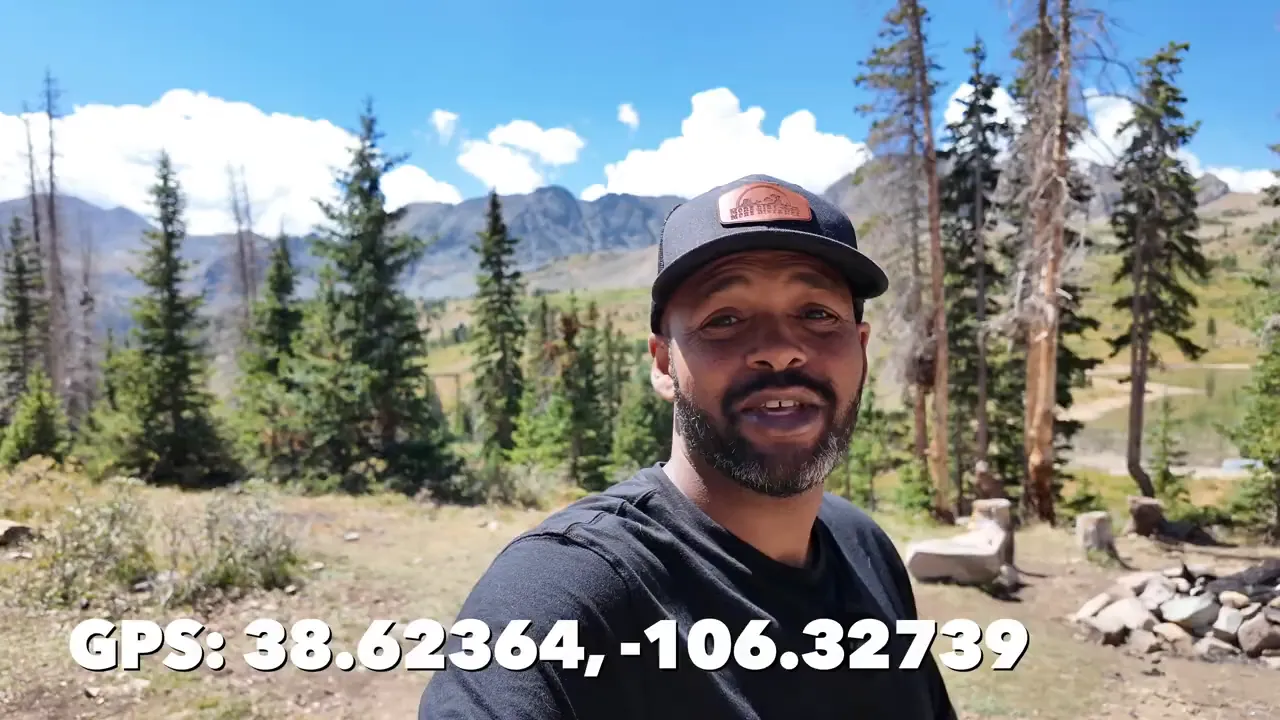
GPS Coordinates and Site Notes
For those who want to try for the prime campsite views at Billings Lake, I made a note of the general area and approach. Dispersed sites are first-come-first-served and can be seasonal in usability. I will not publish an exact coordinate like a reservation system would, but I will give a directional note: aim for the higher benches overlooking the lake rather than the immediate shoreline if you want a dry, exposed camp with panoramic views. Arrive early in the day on holiday weekends if you want the best of the sites.
Gear Checklist for Billing Lake Trail
My essential list for a Billing Lake Trail trip is below. You can adjust based on season and group size, but these items are the backbone of a safe, comfortable outing:
- Vehicle recovery kit: kinetic rope, tow strap, D shackles, gloves, snatch block if applicable.
- Portable jump starter and multimeter to check battery voltage and basic electrical continuity.
- Satellite messenger or an iPhone capable of sending texts via satellite.
- Camping gear: tent, sleeping bags rated to expected temps, cooking gear, water filtration or extra water, and bear-resistant food containers if bears are present in season.
- Layered clothing: base, insulation, and waterproof shells. Even warm afternoons can become frosty mornings.
- Wide, supportive hiking shoes or boots. Consider wide-fit models like the Cross Creek if your feet are broader than average.
- Navigation: paper map, compass, and a charged GPS device or map app pre-downloaded for offline use.
- First aid kit, headlamps, and extra batteries.
Common Questions About Billing Lake Trail
Is Billing Lake Trail suitable for stock vehicles?
Yes, Billing Lake Trail is generally accessible to stock SUVs as long as the driver is cautious. The road is rocky and narrow in places, but it is not a technical rock crawl. Minimal clearance is required, and slow, patient driving is the key. Avoid the route when heavy rains or snow have saturated the ground and increased the risk of slipping.
Do I need a permit to camp on Billing Lake Trail?
Dispersed camping typically does not require a permit, but some national forest areas have restrictions or fees for overnight stays. Always check with the forest service or local ranger district for current rules. When in doubt, call ahead—especially for holidays when enforcement may be higher.
Can I paddle board on Billings Lake or North Fork Reservoir?
North Fork Reservoir is very paddle-friendly and has picnic sites and gentle slopes to launch a board. Billings Lake is smaller and more oriented to fishing; its exposure to wind and smaller size make paddle boarding less ideal unless conditions are calm and you are comfortable with cold water immersion. In any case, wear appropriate floatation and dress for immersion.
What wildlife should I expect on Billing Lake Trail?
Expect birds, deer, elk, and potentially moose in the basin. Moose can appear in campsites or along the trail, particularly at dawn or dusk. Keep a safe distance and control your pets. Smaller mammals and raccoons may be persistent about food, so secure everything.
How to Prepare Your Vehicle Before You Go
Good pre-trip vehicle checks can prevent a lot of problems, though some issues are hard to predict. These steps helped me feel prepared and might save you a headache on Billing Lake Trail:
- Check the battery age and voltage. Batteries over three to four years old can fail unexpectedly; replace proactively if the battery is marginal.
- Inspect wiring harnesses for damage, especially if you have added aftermarket electronics or accessories. Heat and vibration can weaken connectors.
- Test all starter and ignition components if you have noticed intermittent shutoffs or errors.
- Verify your spare, jack, and lug wrench are in good condition for changing a flat on uneven ground.
- Secure aftermarket accessories so they cannot vibrate loose and create electrical issues. Loose grounds are a common source of intermittent electrical faults on adventure rigs.
Final Thoughts on Billing Lake Trail
Billing Lake Trail is a great mix of accessible backcountry, beautiful alpine lakes, and old mining relics. The route rewards slow drivers with big views; the reservoir and Billings Lake are both worth visiting for different reasons. The Pride of the West Tunnel adds a historical curiosity that amplifies the sense of place.
But the trip also underscored the unpredictability of mechanical issues. Even with a careful check, my Gladiator decided to stop starting in a place with limited cell coverage. The experience reinforced the value of being prepared: recovery gear, satellite communication, a plan for how to retrieve a disabled vehicle, and the humility to accept help when it arrives.
If you are planning to head to Billing Lake Trail, go with good gear, good shoes, and good patience. Pack a little extra time into your itinerary so that you can explore the reservoir, take the short walk to the Pride of the West Tunnel, and maybe catch a sunrise over Billings Lake. And if you plan to bring a trailer or camper, pick a site with enough clearance and a loop so you can maneuver without stress.
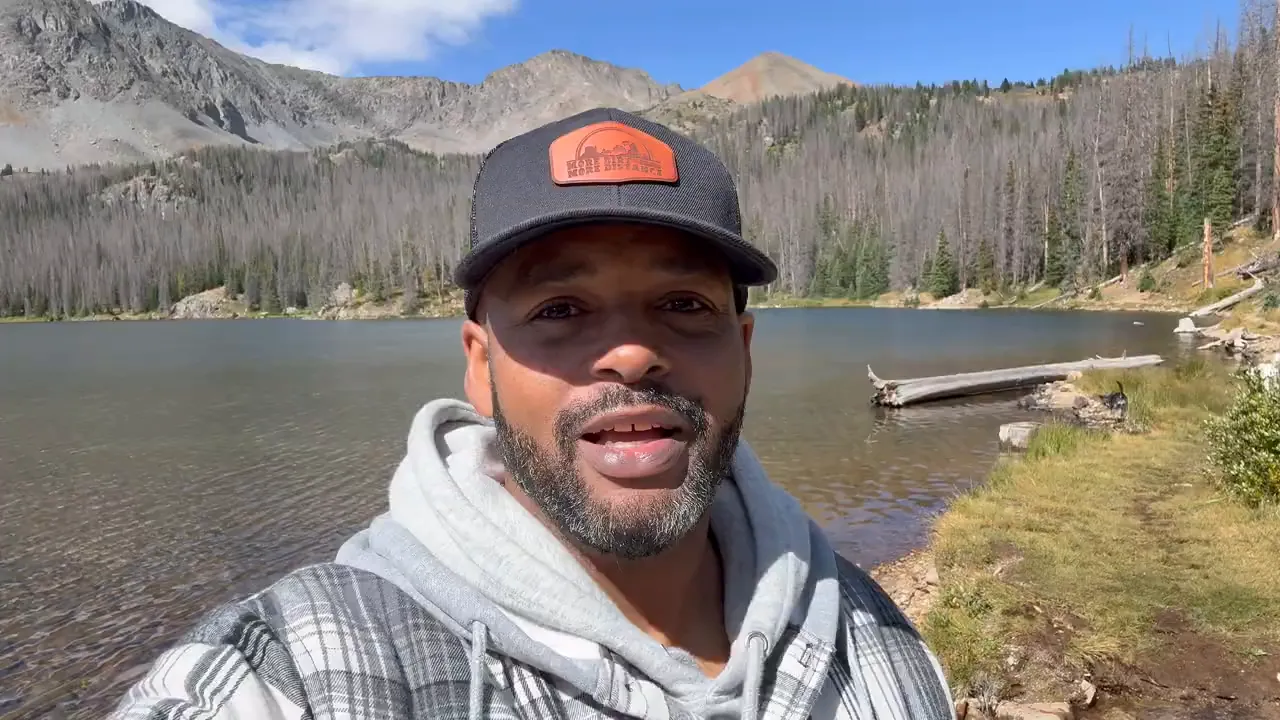
On balance, Billing Lake Trail is a destination I would recommend. It delivers classic Colorado high-country beauty, a calm reservoir for paddle sports, fishing at Billings Lake, and a short historic detour to the Pride of the West Tunnel. If you go, bring wide shoes, recovery gear, and something to communicate with the outside world. And if your rig acts up like mine did, at least take solace in the view on the way down.