

I bought the cheapest hiking boots I could find on Amazon - Ranked & Reviewed | hiking boots amazon
I bought the cheapest hiking boots I could find on Amazon - Ranked & Reviewed | hiking boots amazon
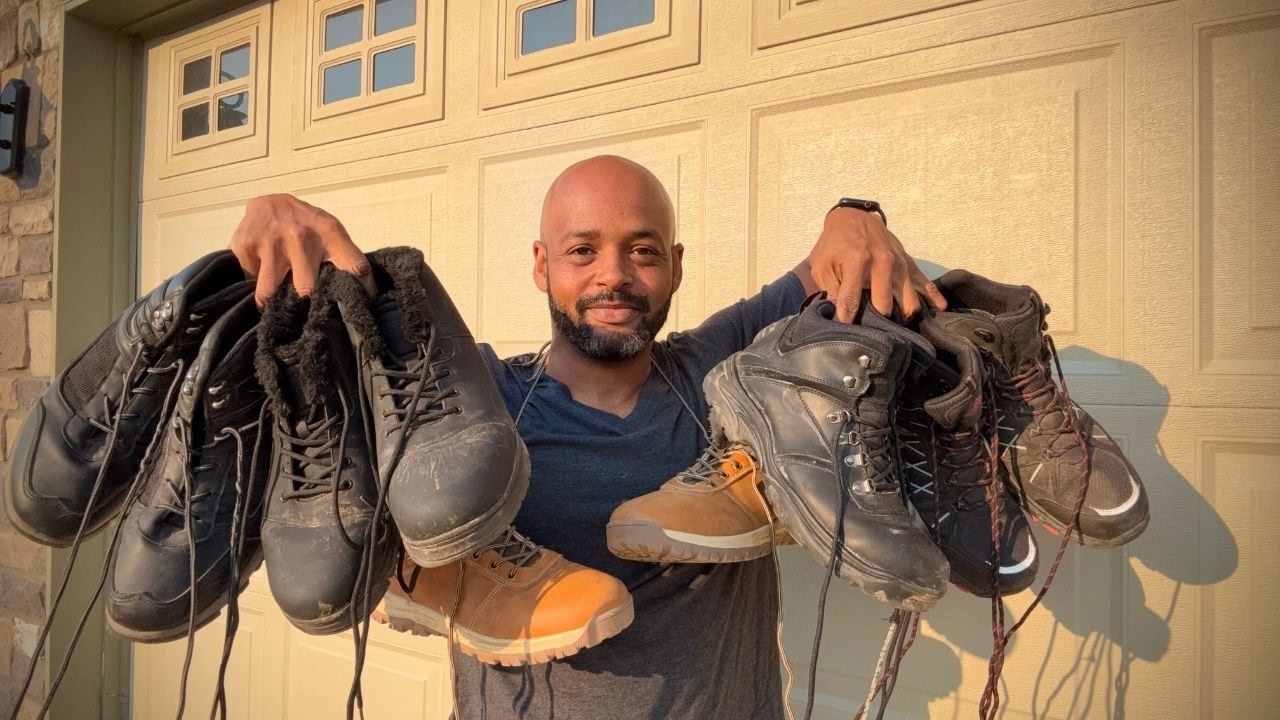
If you have ever scrolled through listings for hiking boots on Amazon and wondered whether a $17 pair could actually work, you are not alone. I decided to put five pairs of hiking boots from Amazon to a real-world test. All five were under $50, and I made each pair my primary shoe for a full week. In this post I lay out exactly what I tested, how each pair performed, and which cheap hiking boots amazon purchase ended up being worth the money.
Table of Contents
- Why I tested five cheap hiking boots amazon pairs
- How I tested and ranked these hiking boots amazon pairs
- What I bought: the five hiking boots amazon contenders
- Pair 1: TSIODFO Leather Snow Boots — $16.90
- Pair 2: NORTIV 8 Men's Boots — $25
- Pair 3: CARENURSE Men's Lightweight Hiking Boot — $29.99
- Pair 4: Avalanche Men's Multifunctional Lightweight Boot — $33.92
- Pair 5: Q-Day Hiking Boots — $49.99 (Winner)
- Side-by-side rankings: comfort, style, durability, price
- What I learned about buying cheap hiking boots amazon
- Practical buying advice for hiking boots amazon shoppers
- Detailed boot-by-boot quick guide
- How to break in budget hiking boots amazon finds
- Maintenance tips for longer life
- Final verdict: should you buy cheap hiking boots amazon?
- Frequently asked questions
- Closing thoughts
Why I tested five cheap hiking boots amazon pairs
There is a simple truth in outdoor gear: footwear matters. You can buy a lot of lightweight shirts or inexpensive pants and live with marginal performance, but your feet take the most abuse. I kept thinking, have I been overpaying for hiking boots all these years? If a $17 pair of hiking boots amazon shoes can get me through daily life and a few hikes without disaster, that could change how I shop.
So I bought five different pairs from Amazon. Each was under $50. My test protocol was straightforward and intense: wear each pair as my main shoe for a full week. That means hikes, work, yard work, running errands, and anything else that my week throws at me. The goal was to stress-test comfort, durability, water resistance, and real-world value for the money. In short, I wanted to know which hiking boots amazon offerings were actually usable and which were not.
How I tested and ranked these hiking boots amazon pairs
Testing hiking boots amazon shoes in a store is useless. You try them for a minute and judge by feel. I wanted real use. For each pair I wore them every day for seven days. I took them out on at least one proper hike each week when the schedule allowed. I paid special attention to:
- Comfort: How they felt on pavement and trail across hours of wear
- Support: Arch support, sole thickness, protection from rocks and roots
- Fit: Whether break-in was required and whether sizing felt true
- Water resistance: Real-world moisture tests like standing in marshy water
- Durability: Signs of wear after heavy use
- Style and everyday wearability
- Price: Value for the dollars spent
At the end I ranked each pair using a point system across comfort, style, durability, and price. Five points for the best in a category down to one point for the worst. Totals determined the final ranking. Throughout, I compared what these low-cost hiking boots amazon options offered versus my expectations for footwear.
What I bought: the five hiking boots amazon contenders
Here are the five boots I tested. I started with the cheapest and worked up to the $49.99 max.
- TSIODFO Men's Leather Snow Boots - $16.90
- NORTIV 8 Men's Boots - $25
- CARENURSE Men's Lightweight Hiking Boot - $29.99
- Avalanche Men's Multifunctional Boot - $33.92
- Q-Day Hiking Boots - $49.99
Below I break down each pair in detail, including first impressions, week-long experience, trail performance, observed pros and cons, and whether they are worth buying from the hiking boots amazon pool.
Pair 1: TSIODFO Leather Snow Boots — $16.90
First things first: the $16.90 TSIODFO boots look better than the price suggests. They are advertised as leather snow boots and contain a fuzzy lining. The product title is stuffed with keywords, which is common on Amazon when a brand has no name recognition. These TSIODFO boots were the cheapest of the hiking boots amazon lot and made for an interesting starting point.
Initial impressions
The inside fur lining felt soft and comfortable immediately. The insole unsurprisingly is thin, though it was lined with the same fuzzy material. The construction felt light and the insoles were flimsy — an early hint that these would not handle heavy trail abuse. Arch support was minimal. Standing around, they felt comfortable enough for casual wear but lacked structure.
Week-long wear
I wore these boots for four days before taking them on a proper trail. For day-to-day use they were surprisingly comfortable. I had no rubbing or pinching. The thing that kept nagging at me was the thin sole. Compared to properly cushioned hiking footwear, these TSIODFO boots felt like walking with less protection between my feet and the ground.
On the day I planned to test water resistance, I stood in marshy water next to a lake to see if they leaked. These boots are advertised as waterproof and made of PU leather — which is polyurethane synthetic leather. After five minutes with water up near the laces, they seemed dry. Walking out of the water later I felt some moisture creeping in. So their waterproofing is suspect. In typical hiking boots amazon listings, "waterproof" can mean anything from decent membrane protection to just water-resistant coating. These leaned toward the latter.
Trail test
The trail I chose was rocky and rooty — a perfect test for sole stiffness and support. Immediately I could feel every rock. The thin sole gave zero protection, and after a few miles my feet were sore. These are not trail-ready boots. They are better for casual urban wear, short walks, or as a cozy winter shoe for light use. On a technical trail, they are uncomfortable and fatiguing.
Pros and cons
- Pros: Extremely inexpensive, comfortable inner lining, decent casual style, surprisingly decent short-term durability considering price
- Cons: Thin, flimsy sole; questionable waterproofing; minimal arch support; not suited for technical trails
As a pure budget option in the hiking boots amazon world, these earned style points and price value, but they were lacking in protection and consistency. If you want a cheap everyday casual boot with a winter lining, they do the job. If you need true hiking performance, pick something else.
Pair 2: NORTIV 8 Men's Boots — $25
The next pair was the NORTIV 8 boots at $25. These are advertised as a hybrid work and hiking boot. They look the part and have a more structured insole than the TSIODFO pair. This round leaned into more traditional hiking boots amazon style with heavier construction.
Initial impressions
The insoles on these felt thicker and more supportive. Standing around they felt like a boot that could be worn for longer periods. I noticed a potential rubbing spot on the outer edge of my right foot, which I planned to monitor. Compared to the previous pair, the NORTIV 8 had sturdier construction and a hardened rubber toe region offering extra protection.
Week-long wear
Over a working week the NORTIV 8 surprised me. They were comfortable during everyday tasks and did not produce blisters or hotspots. The potential rubbing area I noticed did not develop into a problem. However, they did feel heavy and clunky after long wear. Compare that to a good hiking shoe which balances support with lightweight comfort. For short hikes and work around the yard or job site, they performed well. For long day hikes they start to feel tiresome.
Durability and issues
The boots felt durable overall, but a cosmetic issue appeared: the outer material showed signs of wear such as scuffing and in one case a lace loop clip could break. Reviews on Amazon for this model have mixed feedback — some love them for everyday use and work, while others reported breakage after only a few days. That matches my observation that they feel built more for utility than refined hiking comfort.
Trail test
On trail, the thicker sole prevented the every-rock sensation that the TSIODFO boots gave me. However, the weight made extended hiking less pleasant. They are clearly more work boot than backpacking boot. For hiking boots amazon shoppers who need something sturdy for short hikes and physical work, these are a reasonable middle-of-the-road pick.
Pros and cons
- Pros: Sturdy build, protective toe cap, better insole support, reasonable price
- Cons: Heavy feel, clunky on long hikes, cosmetic wear appeared after limited use, mixed reviews about hardware
Pair 3: CARENURSE Men's Lightweight Hiking Boot — $29.99
The CARENURSE boot is another mid-priced contender in the hiking boots amazon batch. It has a similar faux fur liner to the TSIODFO and aims at being a water resistant mid-ankle hiking/work boot. Its Amazon listing is packed with keywords, and the product is marketed to be versatile — but is it?
Initial impressions
The inner lining is comfortable and the boots felt okay for everyday wear. The insole is flimsy, however, and I noticed an awkward creasing near the toe that eventually started to pinch and smash the front of my foot during longer walks. On a short outing that might not be a dealbreaker, but during multi-mile use this turned into a problem.
Week-long wear and issues
After a week of wearing the CARENURSE boots I had mixed feelings. Comfort-wise they were fine for short periods; the fur lining is pleasant. The issue was mid-ankle rubbing. Around the three-mile mark on a hike I experienced painful rubbing on the upper ankle that left soreness for days. Durability-wise the boots were okay. Compared to other hiking boots amazon options I tried, these are neither outstanding nor terrible.
Amazon reviews insight
CARENURSE has a large number of reviews on Amazon with an average around 4.1 out of 5 on many listings. There is a strong divide: some users praise the comfort and longevity, while others describe poor breathability, discomfort, and need to return them quickly. This polarization suggests fit and expectations play a big role. If you prefer low-profile or mid-height hiking boots amazon shoppers should be aware some people loved these, others hated them.
Trail test
On trail the CARENURSE boots felt similar to the early cheap pairs: thin sole feeling, not much protection against rocks. Their mid-ankle height didn’t translate into better support; instead it produced rubbing. These are best for casual wear and short walks, not technical or all-day hikes.
Pros and cons
- Pros: Comfortable lining, decent for casual wear, reasonable middle price for hiking boots amazon
- Cons: Toe creasing that causes discomfort, upper ankle rubbing on longer walks, mediocre protection underfoot
Pair 4: Avalanche Men's Multifunctional Lightweight Boot — $33.92
The Avalanche boot was one I disliked immediately. When I first put them on they felt thin and flimsy in every component: soles, material, laces. I tested them during a 4th of July camping trip where conditions were messy — rain, mud, rock, and miles of walking. They were the most put to work of any of the hiking boots amazon pair I tested.
Initial impressions
From the first wear these boots felt like they needed custom insoles to be tolerable. Unlike the others, these immediately required my insoles to be inserted. They ran a touch large and felt loose at the heel. Soles were thin so once again I felt the ground through the shoe. The listing claimed water resistance but in heavy wet conditions they failed to keep my feet dry.
Week-long wear and heavy test
Because of the trip, these got a lot of varied abuse. Rainy trails and marshy conditions left my toes feeling wet and uncomfortable. The materials near the fire even began to char and melt when I had them too close — obvious user error, but it highlighted how cheap some materials were in construction. After a week these boots had the worst impression for durability and water performance among the five.
Amazon review snapshot
Avalanche had only a small number of reviews and scored around 3.5 out of 5 on some listings. That is low compared to the others. Users split between the occasional good fit and widespread complaints about waterproofing and build quality. Given my week, I could not recommend these for hiking or variable conditions.
Pros and cons
- Pros: Light weight, functional appearance
- Cons: Thin soles, poor water resistance in real conditions, ran large, required immediate custom insoles, low overall rating among hiking boots amazon options
Pair 5: Q-Day Hiking Boots — $49.99 (Winner)
The Q-Day boots are the one that most closely matched what I expect a hiking boot to be. At $49.99 they were the most expensive of the five, but still under $50. These boots had a solid, thicker sole, adequate cushioning, and a build that suggested they could stand up to repeated use.
Initial impressions
From the first few wears these felt like a real hiking boot. They were firmer, with more structure and a firm sole that did not transmit every rock. They were stiffer out of the box, so break-in was necessary, but unlike the lighter pairs they felt protective. Fit was true and I didn’t experience the upper ankle rubbing that plagued some of the other pairs — although a couple of hours of hiking started to show some rubbing for me personally. For many people that won’t be an issue.
Week-long wear and trail test
I spent multiple full days wearing the Q-Day boots and took them on a hike of several miles. The difference was obvious: they provided adequate protection against rocks and roots, cushioning across flat sections, and enough stiffness for uneven terrain. I didn’t feel my feet aching from stones poking through. They were the most comfortable on trail among all the hiking boots amazon options I tried.
Durability and value
After a week the Q-Day boots showed no signs of material failure, scuffing beyond cosmetic marks, or sole separation. Their Amazon rating improved slightly during my test period as more reviews were posted. While $49.99 is the top of my price range for this experiment, these boots earned their place as the most well-rounded option among cheap hiking boots amazon. They balance price and performance in a way the others did not.
Pros and cons
- Pros: Best comfort on trail, supportive and protective sole, durable after a week, good fit, best overall value among hiking boots amazon under $50
- Cons: Slight break-in period required, not the most fashionable boot for everyday wear
Side-by-side rankings: comfort, style, durability, price
To make the outcome clear I scored each boot across four categories: comfort, style, durability, and price. Five points for the best in category down to one for the worst. Totals decided final placement. Below is how they ranked.
Ranking results
- Q-Day Hiking Boots — Winner (19 points)
- TSIODFO No-name Boots — Second (15 points)
- NORTIV 8 — Third (11 points)
- CARENURSE — Fourth (10 points)
- Avalanche — Last (5 points)
Why did Q-Day win? It took top marks in comfort and durability. For $49.99 it represented the best balance between performance and price in the hiking boots amazon market I tested. The TSIODFO pair surprised me as runner-up because it offered a great casual style and the lowest price while holding up well during a week, but it lacks the trail-ready sole of the Q-Day.
What I learned about buying cheap hiking boots amazon
After five weeks of wearing each boot as my main shoe, some lessons are clear:
- Price matters, but not always proportionally. The difference between $16 and $50 is huge in materials and construction. I would buy the Q-Day again over a no-name $17 pair if I planned to hike regularly.
- Insole and sole thickness matter more than superficial style. Thin soles transfer terrain shock and fatigue your feet quickly.
- Waterproof claims on hiking boots amazon listings are inconsistent. Real-world testing showed which boots kept water out and which did not.
- Weight and clunkiness matter for day hikes. Heavier work-style boots can be fine for yard work or short hikes, but for long distances they become tiring.
- Fit is crucial. Some boots ran large or required custom insoles. If you can, size carefully and consider ordering two sizes or adding aftermarket insoles.
Practical buying advice for hiking boots amazon shoppers
If you are shopping for hiking boots amazon listings below $50, keep these tips in mind to avoid disappointment.
1. Know what you need
Are you buying for casual wear, occasional trails, or serious day hikes? For street and light walks, cheap options can be fine. If you will be carrying weight or hiking technical trails, look for thicker midsoles and stiffer outsoles even among budget hiking boots amazon picks.
2. Pay attention to sole thickness and tread
A thin rubber sole will let you feel every rock. Look for multi-layer soles, visible lug patterns, and reinforced toe caps if you will be on rockier ground. The Q-Day boots won because they had a firmer, thicker sole that protected feet from ground feedback.
3. Consider aftermarket insoles
Some cheap boots may be improved dramatically with a decent aftermarket insole for arch support and cushioning. If budget boots match your size but lack comfort, an insole upgrade can bridge the gap and save money.
4. Expect to replace cheap boots sooner
Durability is unpredictable. The cheapest boots sometimes hold up surprisingly well for casual use; other times, seams separate or soles peel within months. If you are a frequent hiker, plan to invest in a better-quality pair sooner rather than later.
5. Read reviews for specific complaints
When shopping hiking boots amazon listings, pay attention to repeated complaints in reviews — fit inconsistencies, waterproof failures, hardware breakage, or material peeling. One-off negative reviews are normal, but patterns reveal common defects.
6. Watch the sizing notes
Many listings run small or large. Check reviewer comments for whether to size up or down. A boot that is slightly large can be solved with an insole; one that is too small is hard to fix.
Detailed boot-by-boot quick guide
TSIODFO $16.90
- Best for: Casual wear, cold dry days, people on a tight budget
- Avoid if: You need trail protection or long hike comfort
- Key issue: Thin sole and questionable waterproofing
NORTIV 8 $25
- Best for: Work tasks, short hikes, everyday use
- Avoid if: You want something lightweight for long hikes
- Key issue: Heavy feel and cosmetic wear appearing after limited use
CARENURSE $29.99
- Best for: Casual winter wear, short walks, people wanting a fur-lined boot
- Avoid if: You suffer from ankle rubbing or need long-distance comfort
- Key issue: Upper ankle rubbing after several miles
Avalanche $33.92
- Best for: Light casual use only
- Avoid if: You need water resistance or solid trail performance
- Key issue: Poor water performance and thin soles
Q-Day $49.99
- Best for: Budget-minded hikers who still want adequate trail protection
- Avoid if: You want stylish lightweight urban shoes
- Key issue: Slight break-in and occasional ankle rubbing for certain users
How to break in budget hiking boots amazon finds
Breaking in shoes is unavoidable for many boots, even premium ones. For budget hiking boots amazon finds the process helps but will not fix fundamental structural faults. Here are practical steps I used:
- Wear them around the house for a few hours each day to let materials relax.
- Use light socks first before switching to thicker hiking socks.
- Gradually increase wear time over several days. Avoid taking brand new boots on an all-day hike.
- Add an aftermarket insole if arch support is lacking.
- Address hotspots early with duct tape or moleskin to prevent blisters.
Do not rely on break-in to fix thin or poorly cushioned soles. If the base construction is insufficient, break-in will only make them slightly more comfortable, not magically supportive.
Maintenance tips for longer life
If you want to squeeze the most life out of hiking boots amazon purchases, follow basic care:
- Clean and dry them after wet use. Stuff with newspaper to absorb moisture.
- Use a waterproofing spray for fabric or synthetic materials to boost performance.
- Rotate shoes between hikes to allow materials to recover and avoid accelerated breakdown.
- Check seams and glue lines regularly. Small repairs early prevent major failures later.
Final verdict: should you buy cheap hiking boots amazon?
After five weeks of comprehensive testing, here is my conclusion for anyone searching hiking boots amazon on a low budget:
If you are shopping casually and will mostly walk on pavement, light trails, or need a cheap winter lining, a really inexpensive pair like the TSIODFO can work and deliver surprising value for the money. If you are serious about hiking and want consistent trail performance, plan to spend closer to $50 and prioritize a thicker sole, better cushioning, and sturdier construction. The Q-Day proved that you can still get a reasonable trail-ready boot under $50, and that extra investment over $17 was meaningful.
In short, you get what you pay for when it comes to footwear. Cheap hiking boots amazon options can sometimes surprise you, but for regular hiking or heavier use, put more money toward a boot that protects your feet and keeps you comfortable all day long.
Frequently asked questions
Are hiking boots amazon listings reliable indicators of quality?
Amazon listings provide information but they are not definitive. Look at aggregated user reviews, note repeated complaints, examine material descriptions, and weigh price against intended use. Many hiking boots amazon products vary widely in quality despite similar-looking photos.
Can I get away with the cheapest hiking boots amazon options for trail use?
Generally no for technical or long hikes. The cheapest boots often have thin soles and minimal support, which means you will feel every rock and fatigue quickly. For casual short walks they may suffice, but for sustained trail use, spend more on support and protection.
Do hiking boots amazon brands run true to size?
Sizing varies by brand. Check reviews for size recommendations. If reviewers note consistent size up or down issues, follow that advice. Consider ordering two sizes if possible and returning the wrong fit.
Are waterproof claims on hiking boots amazon accurate?
Not always. "Waterproof" can mean different things—from full membrane protection to surface-resistant coatings. Real tests with standing water, rain, and creek crossings will reveal a boot's limits. Reviews often provide the best real-world cues.
Should I buy aftermarket insoles for cheap hiking boots amazon purchases?
Yes, a quality aftermarket insole can improve arch support and cushioning dramatically. This is a cost-effective way to enhance a budget boot's comfort and extend its usability on longer hikes.
How long should cheap hiking boots amazon boots last?
Lifespan depends on use. Casual urban wear could last a season or more. Frequent hiking on rough terrain will shorten life significantly. Expect cheaper materials to break down sooner. For daily hikers, plan to replace budget boots sooner than premium options.
Are low-priced hiking boots amazon safer for day hikes?
Not necessarily safer. "Safer" depends on protection, fit, and traction. Low-priced boots may lack adequate sole protection or secure lacing systems, increasing risk of foot injuries on technical trails. Choose boots appropriate to the terrain.
Can I upgrade cheap hiking boots amazon boots to make them perform better?
Some upgrades help, like better insoles, improved laces, or adding a waterproofing treatment. However, you cannot fundamentally change a thin sole or weak materials. Upgrades can be temporary fixes but not full cures for structural deficits.
Closing thoughts
Testing five inexpensive hiking boots amazon options taught me that while bargains exist, footwear is one area where a modest price increase can yield significant comfort and protection benefits. The Q-Day boots, at $49.99, were the clear winner for balanced performance and value. The cheapest pair surprised me in day-to-day comfort and style, but fell short on real trail performance.
When shopping for hiking boots amazon, define your primary use, read real user feedback, and prioritize sole thickness and support if you will be on uneven terrain. Consider an aftermarket insole as a low-cost upgrade. And most importantly, treat any new boot gently during the break-in period—avoid an all-day hike on day one, no matter how promising they feel.
If you want more comparisons—like budget versus premium hiking boots, or testing hiking shoes for hot weather versus winter conditions—I'll be running more experiments. For now, keep your feet happy and pick boots that match the kind of hiking you actually do. Your feet will thank you.