
Upgrading My Jeep Gladiator to an OPENROAD Retractable Tonneau Cover
Upgrading My Jeep Gladiator to an OPENROAD Retractable Tonneau Cover
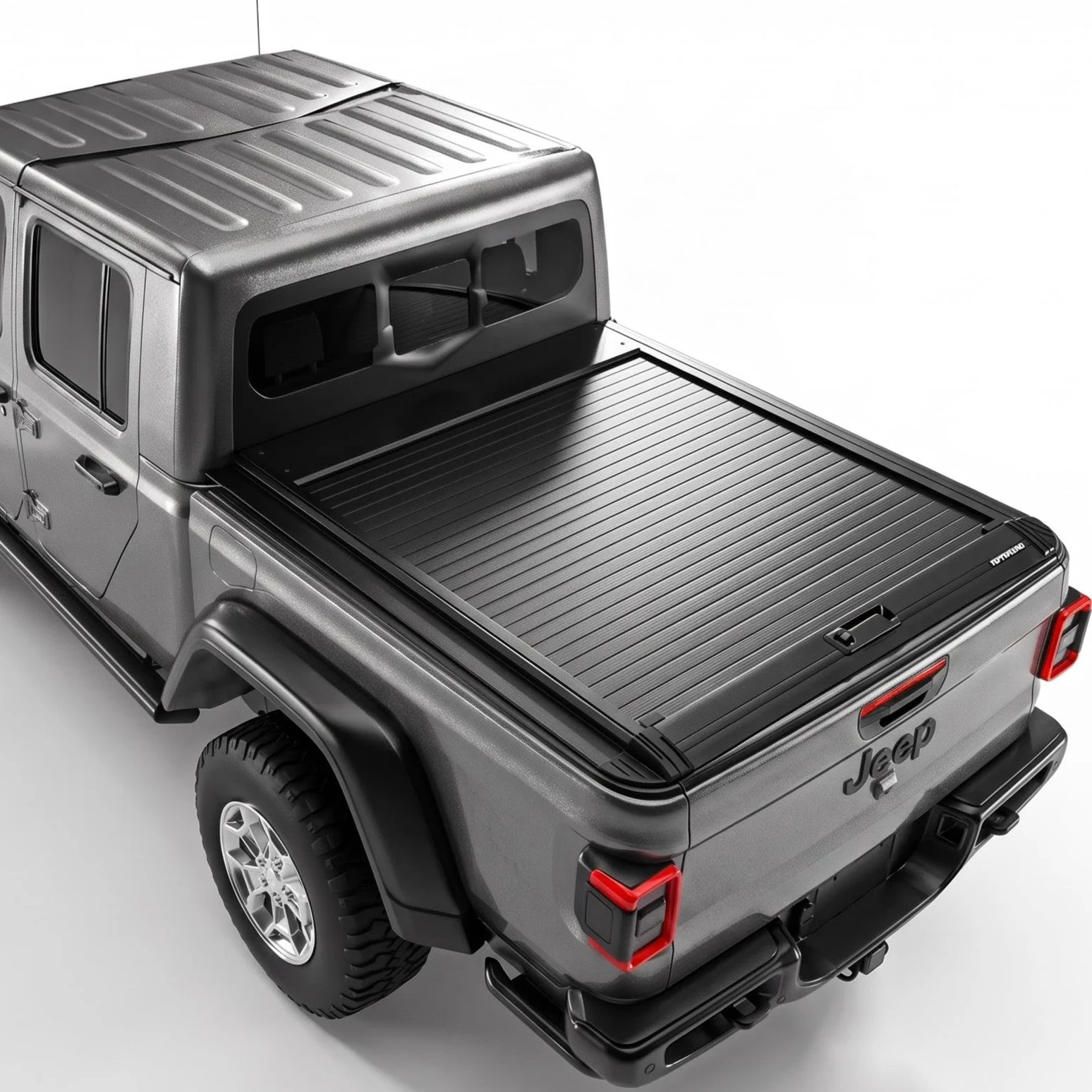
After about four years of off-roading, camping, and towing with my Jeep Gladiator, I have a pretty good idea of which modifications have worked for me and which ones have not. It is time for a refresh, and the first thing on my list was the soft tonneau cover.
That cover had become a regular source of frustration. It let dust into the bed, occasionally came loose on the highway, and did very little to protect my gear beyond keeping it out of sight. When OPENROAD reached out about trying its aluminum retractable tonneau cover, it got my attention.
After installing it and spending a few weeks using it around town, through rainstorms, and on a camping trip, I have been happy with the upgrade. There are a few installation details and a bed-space trade-off worth knowing about, though.
Affiliate disclosure: I may receive a commission from purchases made through my affiliate link.
Quick Summary
- The aluminum cover improved highway stability and kept gear dry during several rainstorms.
- Existing bed openings allowed drainage hose routing without drilling into my Gladiator’s bed metal.
- The retractable housing reduces space for tall cargo, but my usual camping load still fit.
- The optional locking setup requires drilling latches into the tailgate.
Why My Soft Tonneau Cover Had to Go
The old soft cover was not completely useless. It hid my camping equipment and did an okay job with water. But after several years of use, its shortcomings were getting hard to ignore.
- Highway flapping: The Velcro edges could lift, and I had experienced the cover coming loose and flapping in the wind.
- Poor dust protection: After a day off-road, the gear underneath could be completely coated in dust.
- Minimal security: Someone could pull up an edge or cut through the material to reach what was inside.
- Annoying wear and tear: A support pole no longer stayed in place when I rolled up the cover, so it kept falling out.
That last issue was not a huge problem on its own, but boy, it was annoying. Added to everything else, it was enough to make me want something sturdier.
My goal was not just a different-looking truck bed. I wanted better protection for the gear I actually carry, whether I was parked in the city or heading down a dusty trail.
Installation: The Drainage Concern and the Tricky Part
There are not that many pieces to the OPENROAD cover, so the installation looked fairly straightforward. Before starting, though, one part of the instructions gave me pause: the drainage system.
Routing the drain hoses without drilling bed metal
The instructions discussed drilling through the truck bed to route the drainage hoses. I was not excited about cutting into the metal just to install a tonneau cover.
Fortunately, my Gladiator already had openings in the bed that could accommodate the hoses. There was also a plastic cover on the left side that could be drilled instead of the metal. That made the drainage arrangement a lot less concerning.
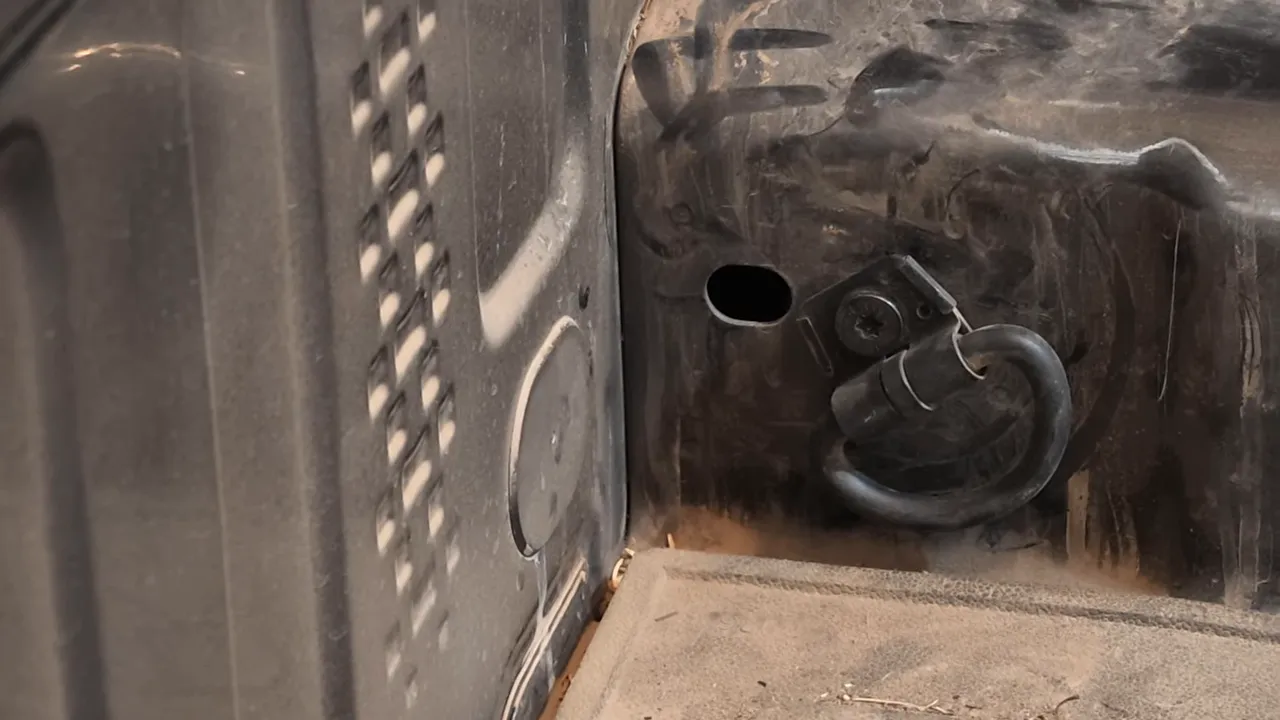
That drainage detail is separate from the optional locking hardware. Using existing openings for the hoses does not mean every part of the installation is drill-free. The locking option requires latches to be drilled into the tailgate.
Getting the side rails attached
I removed the old cover completely and cleaned the top of the bed before starting the new installation. During the initial setup, the alignment called for lining up with the inner edge.
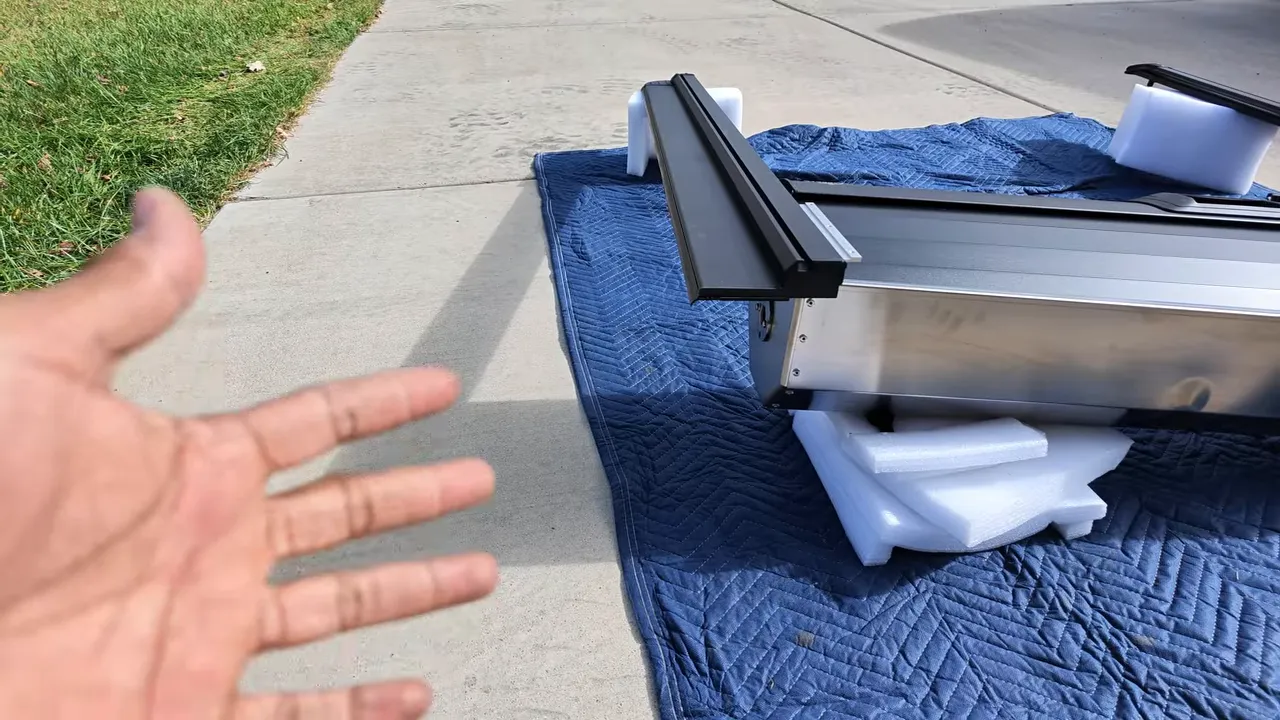
The most frustrating part was attaching the side rails to the main retractable unit. The screws underneath were difficult to see, which made lining up the holes harder than I expected.
What finally helped was using some of the packaging to prop up the end of the assembly. With it lifted, I could see underneath well enough to get the holes aligned and the screws started. Once those bottom screws were in, the rest went much more easily.
Lifting the assembly onto the Gladiator
The instructions call this a two-person job, and I would take that advice. I was working with the team of me, myself, and I, so I managed it alone, but it was not pretty.
The issue was less the weight than the awkward shape. Once it was on the bed, I got everything lined up evenly and finished the installation. The finished cover looked good.
These are my installation experiences, not a replacement for the manufacturer’s instructions. Follow the instructions supplied with your cover when installing or modifying anything on your truck.
Rain and Highway Use: A Noticeable Improvement
Over the next few weeks, the cover had a chance to deal with several rainstorms. Each time I checked the truck bed afterward, everything inside was bone dry.
The cover is water resistant, not waterproof. My experience in those storms was encouraging, but I would not turn that into a promise that water can never get inside. For the conditions I encountered, it did a better job than my old soft cover.
Highway driving was also much less irritating. With the soft cover, I could look in the rearview mirror and see the edges moving around. Sometimes they came loose enough for the cover to start flapping. I did not have those issues with the aluminum retractable cover during my testing.
More Confidence Leaving Gear in the Bed
A big reason for making this change was how I felt parking the Gladiator with equipment in the back.
Before, I was hesitant to leave it in the middle of Denver for the day with all my gear under a soft cover. Hiding the gear was helpful, but there was not much stopping someone from getting to it.
The heavy-duty aluminum cover gives me more peace of mind. It does not make the bed impossible to break into, but someone trying to reach my equipment would have to put in more effort than simply lifting a soft edge or cutting fabric.
There is also an option to lock the cover. Just remember that using that feature requires installing the latches in the tailgate, which involves drilling.
The Off-Road Dust Test
Dust was one of the biggest things I wanted to test. With my old setup, I could spend the day off-road, open the cover at camp, and find everything dirty underneath.
For the first off-road outing with the OPENROAD cover, I headed out with my usual camping equipment. At camp, I opened the bed and checked the gear. The tent and sleeping gear looked clean, and everything looked good overall.
I considered that first test a success. It is an initial result rather than a long-term verdict on every dusty road, but it was exactly the improvement I was hoping to see.
How the Cover Works and How Much Bed Space You Lose
Operating the retractable cover is straightforward:
- Move the handle to the right to release the cover and let it retract.
- Use the fully open, fully closed, or intermediate stopping position as needed.
- When you want to close it, use the strap to pull the cover back toward the tailgate.
- Close the tailgate to finish closing up the bed.
The retractable design does take up some room at the front of the bed. That is the trade-off for having this type of cover and the extra protection it provides.
I measured 47 inches from the edge of the retractable housing to the end of the bed. That matters for taller items that cannot fit underneath the housing. Lower-profile items can still use the full five-foot bed length beneath it.
For my camping setup, the lost space was manageable. I still fit my usual load without a problem:
- A bin of miscellaneous camping supplies
- My tent and sleeping bags
- A camp chair
- A cooler
If you regularly carry bulky gear, think about its height as well as its length. The housing does not eliminate all the space underneath it, but it does change how you can pack the bed.
Who This OPENROAD Tonneau Cover Makes Sense For
If protecting the gear or equipment in your Jeep Gladiator’s bed is a priority, this cover is worth considering. In my first few weeks, it kept my gear dry through rainstorms, stayed put on the highway, and kept things clean during its first off-road dust test.
The main compromises are the space taken up by the retractable housing, the awkward lift during installation, and the drilling required if you want to use the locking option.
For the way I use my Gladiator, those trade-offs have been worthwhile. I can still carry my normal camping load, and I feel more comfortable leaving equipment in the bed around town. So far, it has addressed the frustrations that made me want to replace the soft cover in the first place.
|